
What Damages Are Available for Catastrophic Railroad Injuries in Alabama?
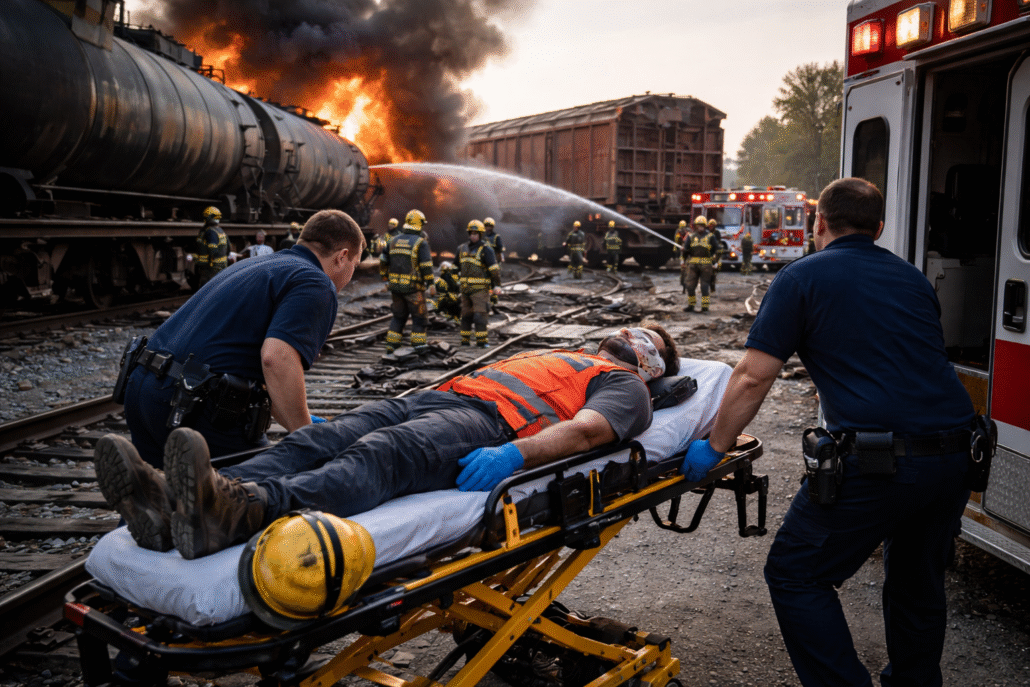
The immediate aftermath of a severe railroad accident is often a whirlwind of emergency surgeries and intensive care. For Alabama railroaders, these incidents are not just physical trauma; they are profound financial events. Because railroad employees are not covered by state workers’ compensation, your path to recovering damages is through the Federal Employers’ Liability Act (FELA).
Unlike the limited caps found in many state systems, FELA allows for the recovery of full damages if railroad negligence played even a small part in the injury. This is vital when dealing with catastrophic harm such as traumatic brain injuries, spinal cord damage, or amputations. These conditions require a lifetime of support, and the law is designed to ensure the carrier provides that support when they have failed to maintain a safe workplace.
Recovery for Past and Future Medical Expenses
Medical costs are the most direct form of economic damage. In a catastrophic case, these are rarely limited to a single hospital stay.
- Emergency Interventions: Coverage for air ambulance transport, trauma center fees, and initial stabilization surgeries.
- Ongoing Rehabilitation: Funding for physical therapy, occupational therapy, and speech pathology sessions is required to regain basic functions.
- Durable Medical Equipment: Costs for wheelchairs, hospital beds, and prosthetic limbs, including the necessary replacements over a lifetime.
- Home and Vehicle Modifications: Expenses for installing ramps, widening doorways, or purchasing accessible vans to maintain independence.
- Prescription Medications: The long-term cost of pain management and specialized drugs.
A significant portion of a FELA claim involves projecting what these costs will look like decades into the future. This requires a detailed look at medical inflation and the specific trajectory of your recovery.
Seeking Compensation for Lost Wages and Earning Capacity
When a railroader suffers a catastrophic injury, the ability to return to the craft is often lost. This is a devastating blow for those who have spent years building seniority and earning high wages in yards like Norris Yard or across the port of Mobile.
- Past Lost Wages: This covers every paycheck missed from the date of the accident until the time of settlement or trial. It includes not just base pay, but also lost overtime and differentials.
- Loss of Future Earning Capacity: If you can no longer work on the railroad, or can only work in a light-duty capacity that pays significantly less, you are entitled to the difference in what you would have earned.
- Lost Benefits: Railroad retirement contributions, health insurance, and other fringe benefits are tangible parts of your compensation that must be valued.
Calculating these damages involves looking at your age, your health before the accident, and your career path within the company to determine the total value of what was taken from you.
How Pain and Suffering Damages Are Valued
Non-economic damages like pain and suffering are often the most significant part of a catastrophic injury claim. While there is no receipt for physical pain, FELA allows a jury to assign a monetary value to the daily struggle of living with a severe injury.
- Physical Pain: Compensation for the actual physical sensations caused by the injury and the subsequent medical treatments.
- Mental Anguish: This addresses the psychological toll, including depression, anxiety, and post-traumatic stress disorder (PTSD) that frequently follows a near-death experience on the tracks.
- Loss of Enjoyment of Life: When an injury prevents you from coaching your child’s team, hunting, or participating in hobbies you once loved, the law recognizes this as a compensable loss.
Because there is no fixed formula for these damages, it is important to document the daily impact of the injury through journals, witness testimony from family, and medical records.
The Impact of Permanent Disability and Disfigurement
Catastrophic injuries often leave behind permanent changes to the body. Disfigurement and the loss of a limb carry a heavy emotional and social burden. Under FELA, a railroader can seek damages specifically for these permanent alterations.
A jury considers the visibility of the scarring, the degree of the disability, and how these factors affect the person’s self-esteem and social interactions. In Alabama, where many communities are tight-knit, the social impact of a life-altering injury is a legitimate factor in determining a fair award.
Damages for Loss of Consortium and Family Impact
A catastrophic injury doesn’t just happen to the worker; it happens to the entire family. While the injured railroader is the primary claimant, the impact on the spouse and children is profound.
Loss of consortium refers to the loss of companionship, affection, and the intimate relationship between spouses. Additionally, if an injury is fatal, the personal representative of the estate can seek damages for the surviving dependents. This includes the loss of care, guidance, and training that a parent provides to their children, which is a vital component of a wrongful death claim under FELA.
What Role Does Comparative Negligence Play in Alabama?
It is common for the railroad to attempt to shift blame onto the injured worker to reduce the amount of damages they have to pay. This is known as comparative negligence.
Unlike standard Alabama law, which can bar you from recovery if you are even slightly at fault, FELA uses a pure comparative negligence system. This means your damages are reduced by your percentage of fault. For example, if your damages are $1,000,000 and you are found 10% at fault, you still recover $900,000.
However, if the railroad violated a federal safety statute—such as the Safety Appliance Act or the Locomotive Inspection Act—their ability to argue comparative negligence may be completely barred. In those cases, you may be entitled to full damages regardless of your own actions.
Identifying Negligence in Catastrophic Events
To recover any damages, we must show the railroad was negligent. Common failures that lead to catastrophic injuries include:
- Defective Equipment: Handbrakes that fail to hold or couplers that do not align properly.
- Unsafe Walking Surfaces: Large, uneven ballast or oil-slicked walkways in switching yards.
- Lack of Proper Training: Requiring workers to perform tasks they haven’t been adequately prepared for.
- Inadequate Staffing: Forcing crews to work while fatigued or understaffed, leading to mistakes.
By investigating the root cause of the accident, we can build a strong foundation for your claim for damages.
Steps to Protect Your Right to Damages
The actions you take in the hours and days following a catastrophic injury are critical for your future claim.
- Ensure an Accurate Accident Report: If you are physically able, make sure the report clearly states what the railroad did wrong or what equipment failed.
- Identify Witnesses: Get the contact information of coworkers who saw the incident or the conditions that caused it.
- Photograph the Scene: Conditions in a rail yard change quickly. Photos of the specific hazard are invaluable.
- Seek Specialized Legal Counsel: Contact an attorney who focuses on FELA and railroad law specifically, as these cases are very different from standard personal injury claims.
Contact Burge & Burge, PC for a Consultation
If you or a loved one has suffered a catastrophic railroad injury in Alabama, the path forward requires a dedicated legal team. The railroad will have its own team of investigators and lawyers working to minimize your claim from the moment the accident occurs. You deserve a team that is just as committed to protecting your family’s future. At Burge & Burge, PC, we have the experience and the resources to take on major rail corporations. We handle the complexities of federal law so you can focus on healing.
Contact us today at 205-947-2962 for a free, confidential consultation. Let us help you secure the compensation you need to move forward.
Frequently Asked Questions

