
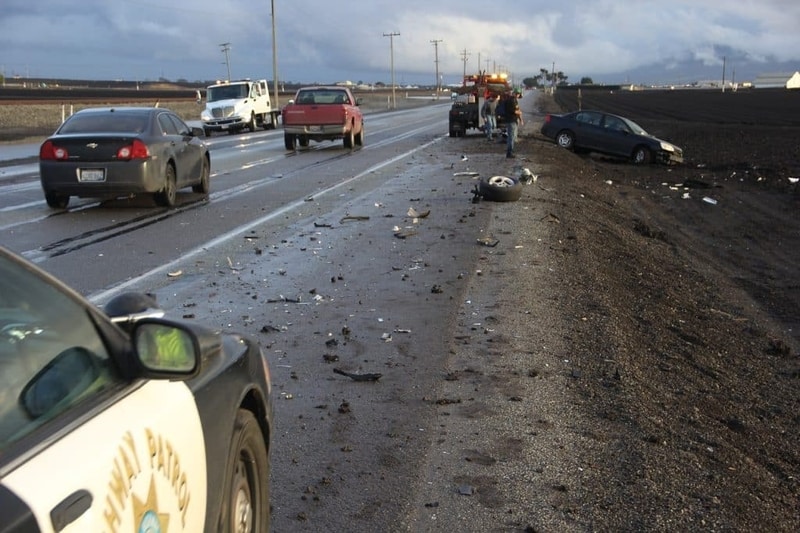
What Happens After an Auto Accident? Key Steps to Take
An auto accident can leave us dealing with more than vehicle damage. Medical appointments, insurance questions, missed work, repair costs, and uncertainty about what to do next can quickly become overwhelming. Taking the right steps after a crash can help us protect important information and make more informed decisions.
Burge & Burge, PC helps individuals understand their legal options after accidents and personal injuries. An auto accident attorney can help us evaluate the circumstances of a collision, understand potential claims, and navigate discussions with insurance companies.
What Should We Do Immediately After an Auto Accident?
The moments following a collision can be confusing, so our first priority should always be safety. Once immediate dangers have been addressed, we can focus on reporting the accident, documenting the scene, and getting appropriate medical attention.
Taking these steps early can help preserve information that may become important later.
Move to a Safe Location
If it is safe and practical to do so, we should move away from active traffic or other hazards. We should not put ourselves or others at additional risk simply to document the accident.
If anyone appears seriously injured, emergency medical assistance should be requested immediately.
Once everyone is in a safer position, we can begin gathering information about the collision.
Contact the Appropriate Authorities
Depending on the circumstances, reporting the accident to law enforcement may be necessary or advisable. An official accident report can provide a record of basic information about the collision.
When speaking with an officer, we should provide accurate information and avoid guessing about details we do not know.
The report may later help document the location, vehicles involved, parties present, and other observations made at the scene.
How Should We Exchange Information After a Crash?
After an accident, we should collect relevant information from the other driver or drivers when it is safe to do so.
Keeping this information organized can make later insurance discussions easier.
Information to Collect
Useful information may include:
- Full names and contact details
- Driver’s license information
- Insurance company and policy information
- Vehicle make and model
- License plate number
- Contact details for witnesses
- Police report information, when available
We should avoid arguing about fault at the scene. A stressful roadside conversation is not the right setting to determine legal responsibility.
Be Careful With Statements
We should be truthful when discussing what happened, but we should avoid speculation.
For example, we should not guess about the exact speed of another vehicle or make assumptions about another driver’s intentions.
It is perfectly reasonable to explain that we do not know an answer rather than provide information based on guesswork.
Why Is Medical Attention Important After an Auto Accident?
Some injuries become noticeable hours or days after a collision. Adrenaline and shock can make it difficult to immediately recognize pain or other symptoms.
Seeking appropriate medical attention can protect our health while also creating documentation of injuries related to the accident.
Get Evaluated When Necessary
Even if an injury initially appears minor, we should pay attention to changes in how we feel after the crash.
Symptoms such as pain, stiffness, headaches, dizziness, or limited movement may require professional evaluation.
A healthcare provider can determine whether further treatment or monitoring is appropriate.
Keep Medical Records
We should keep copies of relevant medical documentation, including:
- Medical bills
- Treatment records
- Prescription information
- Diagnostic test results
- Follow-up appointment records
- Physical therapy records
- Work restrictions
These records can help establish the nature and extent of accident-related injuries.
How Can We Document the Accident Scene?
Accident scenes can change quickly. Vehicles may be moved, debris may be cleared, and weather can alter road conditions.
When it is safe to do so, photographs and other documentation can help preserve details about what happened.
Take Photographs
We can photograph the vehicles, roadway, traffic signs, surrounding area, and visible damage.
Depending on the circumstances, useful photographs may include:
- Damage to each vehicle
- Vehicle positions
- Road markings
- Traffic signals
- Skid marks
- Debris
- Weather or visibility conditions
- Nearby signs or structures
We should never enter dangerous traffic or put ourselves at risk to obtain a photograph.
Identify Witnesses
People who witnessed the accident may provide information that helps clarify what happened.
If witnesses are willing, we can obtain their names and contact information.
We should not tell witnesses what to say or try to influence their account. Their value comes from providing their own observations.
What Evidence Should We Preserve?
Evidence can become particularly important when liability or the extent of an injury is disputed.
Keeping relevant information in one organized place can help us understand the accident and provide useful documentation when needed.
Keep Important Documents
We should save copies of:
- Police reports
- Medical records
- Insurance correspondence
- Vehicle repair estimates
- Medical bills
- Employment records
- Receipts for accident-related expenses
- Photographs and videos
Digital copies can be useful, but keeping original documents when appropriate is also important.
Preserve Damaged Property
If a vehicle has significant damage, we should document its condition before repairs whenever possible.
Depending on the circumstances, other items involved in the accident may also be relevant.
We should avoid discarding potentially important evidence before understanding whether it could be useful to an insurance or legal claim.
How Does Insurance Work After an Auto Accident?
Insurance companies typically begin investigating a claim after receiving notice of an accident. An adjuster may request information about the collision, injuries, property damage, and other circumstances.
We should provide accurate information while being careful not to make statements that could be misunderstood.
Notify the Appropriate Insurance Company
Our insurance policy may contain requirements for reporting accidents within a particular period.
We should review our policy and follow applicable reporting procedures.
Prompt notification does not mean we need to know the final value of the claim or determine fault immediately.
Understand Settlement Offers
An insurance company may make a settlement offer during the claims process.
Before accepting an offer, we should understand what losses it covers and whether accepting it could affect our ability to seek additional compensation.
This can become especially important when medical treatment is ongoing or future expenses are uncertain.
What Role Does an Auto Accident Attorney Play?
When an accident involves significant injuries, disputed liability, substantial financial losses, or complicated insurance issues, legal guidance may help us understand the available options.
An auto accident attorney can review the circumstances and explain how applicable laws may affect a potential claim.
Reviewing the Evidence
A legal review may consider several types of information.
| Evidence | Potential relevance |
|---|---|
| Police report | Documents accident details and observations |
| Medical records | Establishes injuries and treatment |
| Photographs | Shows vehicle damage and scene conditions |
| Witness statements | May clarify how the collision occurred |
| Employment records | May document lost income |
| Insurance documents | Helps identify coverage and claim information |
| Repair estimates | Documents vehicle-related losses |
Not every case will require all of these materials. The appropriate evidence depends on the circumstances.
Communicating With Insurance Companies
Insurance discussions can become more complicated when an insurer disputes liability, questions injuries, or offers a settlement that does not appear to account for all losses.
An attorney can help us understand what information is relevant and communicate regarding the claim.
What Compensation May Be Available After a Crash?
The potential compensation in an auto accident case depends on factors such as fault, insurance coverage, injuries, financial losses, and applicable state law.
Possible categories may include economic and non-economic damages.
Financial Losses
Depending on the circumstances, recoverable losses may include:
- Medical expenses
- Future medical costs
- Lost wages
- Reduced earning capacity
- Vehicle repair expenses
- Other reasonable accident-related costs
Documentation is important because these losses often need to be supported with records.
Physical and Emotional Effects
Some accidents cause consequences that are not easily represented by a bill or receipt.
Depending on applicable law, a claim may potentially involve compensation for physical pain, emotional distress, reduced quality of life, or other non-economic effects.
The availability and calculation of these damages vary by jurisdiction.
Key Evidence That Can Strengthen an Auto Accident Claim
Evidence can make it easier to establish what happened and demonstrate how an accident affected us.
For a closer look at the types of information that may support an injury claim, see key evidence that strengthens an auto accident injury claim.
Keep a Record of the Recovery Process
A simple personal record can help us remember how an injury affects our daily activities.
We might document:
- Symptoms
- Medical appointments
- Missed work
- Changes to normal activities
- Accident-related expenses
- Questions for healthcare providers
The information should remain factual and consistent with our medical records.
Document Financial Effects
Some costs are obvious, while others can be easy to overlook.
For example, an accident may create expenses related to transportation, prescriptions, follow-up appointments, or time away from work.
Keeping receipts and other records can help us understand the broader financial impact.
When Should We Contact a Car Crash Law Firm?
Not every collision requires legal representation. A minor accident with limited damage and no injuries may be relatively straightforward.
However, professional guidance may be worth considering when the situation involves significant injuries, disputed responsibility, or substantial losses.
Serious Injuries
A consultation may be particularly useful when an accident results in:
- Hospitalization
- Surgery
- Fractures
- Head or brain injuries
- Spinal injuries
- Permanent limitations
- Extended rehabilitation
Serious injuries can create both immediate and future expenses, making it harder to assess the full impact of the accident early on.
Disputed Responsibility
Determining fault may become complicated when drivers provide different accounts of the collision.
Evidence such as photographs, witness statements, traffic information, vehicle damage, and accident reports may help establish what happened.
A car crash law firm can provide information about the legal process when responsibility for an accident is contested.
What Mistakes Should We Avoid After an Auto Accident?
A few common mistakes can create unnecessary complications during the claims process.
Understanding them can help us make more careful decisions.
Do Not Ignore Medical Symptoms
If symptoms develop after a collision, we should seek appropriate medical attention rather than simply assuming they will disappear.
Following recommended treatment can also help create a clear medical record of the injury.
Do Not Post Detailed Accident Discussions Online
Social media posts can sometimes become relevant in an insurance or legal dispute.
We should be cautious about posting photographs, statements about fault, or detailed descriptions of our physical condition while a claim is being evaluated.
Do Not Discard Important Records
Accident-related documents should be kept in an organized location.
We should retain medical records, bills, repair documents, insurance correspondence, photographs, and other potentially relevant information.
How Long Do We Have to Make an Auto Accident Claim?
Legal deadlines can restrict how long we have to file certain types of claims.
These deadlines vary depending on the jurisdiction, the type of claim, and other circumstances.
Why Deadlines Matter
Waiting too long can potentially affect our ability to pursue a claim.
Because the applicable deadline is not necessarily the same in every situation, we should not rely on a general timeframe found online.
If we believe we may have a personal injury claim, obtaining information about the relevant deadline early can help us avoid unnecessary risk.
Final Thoughts
Knowing what happens after an auto accident can help us approach the aftermath with greater confidence. Prioritizing safety, reporting the collision, seeking appropriate medical attention, documenting the scene, preserving evidence, and keeping records can all help protect important information.
When an accident involves significant injuries, disputed responsibility, substantial financial losses, or complicated insurance issues, an auto accident attorney can help us understand the legal process and evaluate our options.
Every collision is different, so we should avoid assuming that another person’s experience will produce the same result. By taking practical steps early and getting appropriate guidance when needed, we can make better-informed decisions about what comes next.
Contact Us
If you have questions about an auto accident or want to understand your potential legal options, Contact Us to learn more about the next steps.

