
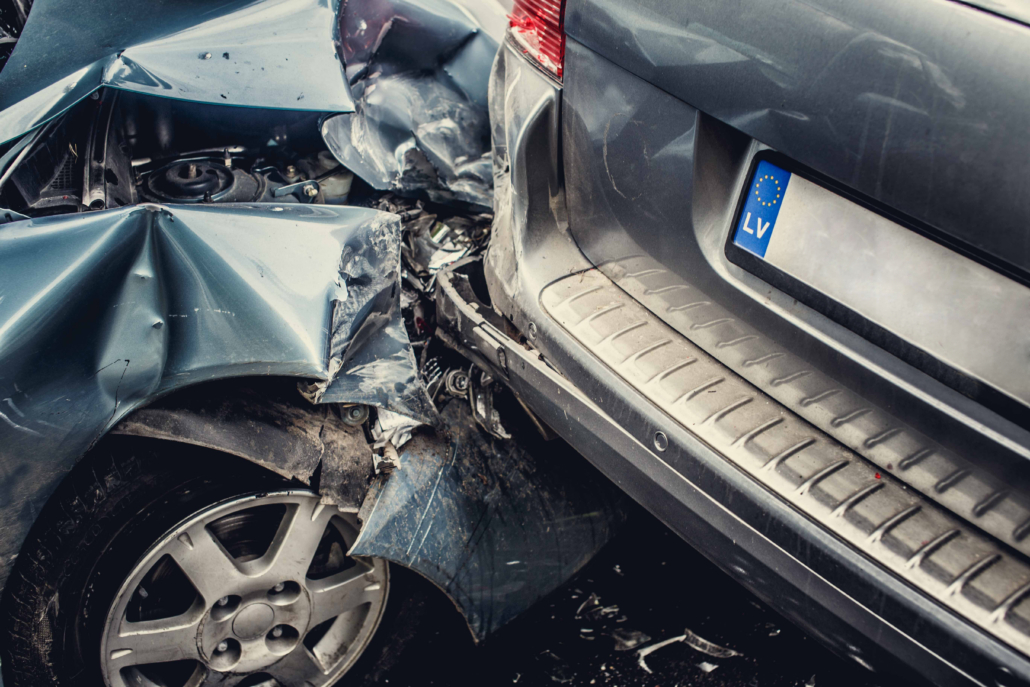
How Do I Prove Fault in a Multi-Vehicle Accident in Alabama?
A sudden impact on a high-speed highway can transform a routine commute into a devastating chain-reaction collision within a fraction of a second. Whether navigating the dense morning gridlock on Interstate 65 in downtown Birmingham, traveling along the industrial corridors of Interstate 20 near Leeds, or traversing the heavily congested lanes of Highway 280 in Jefferson County, multi-vehicle pileups are among the most chaotic and destructive incidents on Alabama roads. The physical force of consecutive impacts routinely results in severe, debilitating injuries, leaving victims facing a mountain of medical bills, prolonged rehabilitation, and a sudden, terrifying loss of household stability.
How Is Liability Determined in an Alabama Chain-Reaction Crash?
Proving fault in an Alabama multi-vehicle accident requires establishing which driver breached their duty of care to initiate the chain reaction. Because Alabama enforces a strict contributory negligence law, identifying the specific negligent actions of every driver involved is vital to securing a recovery.
To establish legal liability in any motor vehicle accident across the state of Alabama, an injured plaintiff must demonstrate that a specific motorist acted negligently, directly causing the resulting injuries and financial losses. Every individual operating a motor vehicle on state roadways owes an inherent, statutory duty of care to every other person on the road, including other drivers, passengers, and pedestrians. This duty requires motorists to operate their vehicles in a reasonably safe manner, maintain an acute awareness of road conditions, adhere strictly to posted speed limits, and preserve a safe trailing distance behind preceding traffic.
In a multi-vehicle collision, determining which party breached this duty requires working backward from the final impact to the initial point of disruption. Liability is not distributed generically among all participants; instead, the law seeks to pinpoint the specific catalyst. For instance, if a driver fails to slow down for stopped traffic on Interstate 59 and violently strikes the rear of a stationary sedan, that initial striking driver has clearly breached the standard of care. If that force then propels the stationary sedan into a third vehicle, the primary legal responsibility remains tied directly to the first driver whose original reckless action set the entire event into motion.
What Critical Evidence Is Needed to Prove Fault on Alabama Highways?
To prove fault in a multi-vehicle accident, your legal team must gather objective physical and electronic data. This includes police accident reports, multi-angle traffic camera footage, vehicle black box data, and comprehensive forensic accident reconstruction profiles.
Because verbal testimonies from confused, stressed, or self-serving drivers naturally contradict one another after a major crash, objective physical evidence is the only reliable currency in a personal injury action. When multiple vehicles are scattered across an interstate, the physical positions of the cars, the location of the initial impact debris, and the electronic signatures left by the vehicles provide an unbiased narrative of what truly occurred. Securing this evidence before it is altered, overwritten, or destroyed by corporate retention schedules requires fast, decisive legal intervention.
The experienced personal injury attorneys immediately deploy investigators to identify and preserve the following vital evidence types:
- Official Law Enforcement Reports: Comprehensive accident reports compiled by the Alabama Department of Public Safety or local county sheriffs, which often include initial fault determinations, physical measurements, diagrammed vehicle trajectories, and statutory citations issued at the scene.
- Commercial Vehicle Black Box Telematics: Electronic Control Module (ECM) data extracted from commercial semi-trucks, box trucks, or delivery fleets, detailing exact travel speeds, steering inputs, throttle percentages, and the precise millisecond braking was initiated prior to impact.
- Visual Media Records: Dashcam video footage from involved or passing motorists, high-definition traffic management camera recordings, and external surveillance feeds from private commercial businesses bordering the highway corridor.
- Physical Forensic Traces: Meticulous photo documentation of the roadway scene, highlighting the length and direction of tire skid marks, deep pavement gouges left by undercarriage components, and the precise spread of the vehicle debris field.
- Expert Reconstruction Documentation: High-resolution vehicle crush profile analyses and formal toxicology reports detailing whether alcohol, illicit substances, or fatiguing prescription drugs impaired any driver’s operational capacity.
How Do Forensic Accident Reconstructionists Unravel a Multi-Vehicle Accident?
Forensic accident reconstructionists use physics, vehicle damage analysis, and skid mark measurements to recreate the sequence of impacts. They establish the initial point of negligence by mapping out exactly which vehicle struck whom first during the pileup.
When a pileup involves four, five, or more vehicles, identifying the definitive sequence of collisions can seem nearly impossible to the untrained eye. This is where the specialized science of forensic accident reconstruction becomes indispensable. These engineering professionals look directly past the chaotic aftermath and analyze the physical principles of force, mass, and acceleration to determine how the pileup structurally developed.
By examining the specific ‘crush vectors’ the depth, angle, and severity of structural deformation on each vehicle a reconstructionist can calculate the exact speed and direction of every vehicle at the moment of impact. They map out whether a vehicle was stopped when it was struck from behind, or if it was moving rapidly when it initiated a secondary collision. Furthermore, the presence or absence of specific braking skid marks reveals whether a motorist had sufficient reaction time to avoid the crash or if they were tailgating too closely to respond safely.
Which Driver Is Typically Blamed in a Rear-End Chain Reaction?
In a rear-end chain-reaction accident, blame is usually placed on the rearmost driver who failed to maintain a safe following distance. However, liability can shift if a leading driver made an illegal stop or lane change without signaling.
The most common multi-vehicle collision scenario involves a classic rear-end chain reaction. In standard legal practice, there is a strong presumption of fault directed at the motorist who strikes a vehicle from behind. This presumption is rooted deeply in the Alabama Rules of the Road, specifically outlined under the standard traffic regulations of the Alabama Code. Motorists are strictly required to maintain a reasonable and prudent distance from the vehicle ahead, accounting entirely for the speed of travel, traffic density, and prevailing weather conditions.
However, a multi-car chain reaction introduces complex variables that can shift or share this liability. Consider a realistic scenario unfolding on a congested morning along Highway 280 in Jefferson County: Car A slows down naturally for an approaching traffic signal. Car B brakes appropriately and comes to a safe, complete stop directly behind Car A. Moments later, Car C approaches the area at an excessive speed, fails to observe the stopped traffic, and violently rams into the rear of Car B. The immense kinetic force of this impact propels Car B forward into the rear of Car A.
In this specific sequence, even though Car B technically struck the rear of Car A, Car B bears absolutely no legal liability for the damage or injuries caused. The entire chain of proximate cause traces directly back to the reckless operation of Car C, which initiated the force.
Conversely, if Car B had been tailgating Car A too closely, struck Car A first, and was subsequently struck by Car C, both trailing drivers could face structural liability arguments a scenario that, under Alabama’s contributory negligence law, can severely complicate an injured person’s right to recover damages unless a skilled legal team uncovers the precise timing of the impacts.
What Actions Should You Take Immediately After a Highway Pileup in Alabama?
Immediately after a multi-car accident, you must seek professional medical evaluation, ensure law enforcement documents the scene, and avoid giving recorded statements to insurance adjusters. Contacting an experienced personal injury attorney promptly ensures vital physical evidence is legally preserved.
The decisions you execute in the frantic hours and days following a multi-car highway accident will directly dictate the ultimate viability of your injury claim. Because insurance corporations move with incredible speed to insulate themselves from multi-party financial liability, you must take active, strategic steps to protect your physical health and your underlying legal rights.
To establish a clear path forward and prevent common procedural errors that can destroy your case, ensure you execute these critical actions:
- Prioritize Immediate Medical Care: Undergo a comprehensive medical evaluation at a regional emergency facility, such as the UAB Hospital trauma center or Mobile Infirmary, immediately following the incident. High-adrenaline events frequently mask severe internal injuries, soft-tissue damage, and traumatic brain injuries. Establishing an immediate, objective medical record links your physical trauma directly to the collision timeline.
- Involve Law Enforcement for Formal Documentation: Dial 911 immediately to ensure state troopers or local municipal police secure the highway scene and file an official accident report. Ensure the responding officer interviews you directly so your perspective is recorded, and request the names, badge numbers, and report access details before leaving the area.
- Capture Comprehensive Visual Evidence Safely: If you are physically capable of doing so safely without exposing yourself to live highway traffic, utilize your smartphone to take high-resolution photos and videos of all involved vehicles from multiple distances and angles. Capture structural vehicle damage, deployed airbags, license plates, nearby skid marks, current weather conditions, and any visible road hazards.
- Limit Communications to Essential Administrative Details: Exchange basic insurance and contact information with other motorists as required by law, but strictly avoid engaging in any casual conversation regarding the mechanics of the crash. Never offer an apology, never guess at vehicle speeds, and never state that you are ‘fine’ or uninjured to anyone at the scene.
- Refuse Recorded Insurance Statements Until Consulting Legal Counsel: Do not provide recorded phone interviews or sign any medical authorization waivers presented by third-party insurance adjusters. These adjusters are highly trained to extract ambiguous phrases that can be used to assign a percentage of fault to you, which would completely bar your recovery under state law.
What Compensation Is Recoverable in an Alabama Car Accident Claim?
Victims of an Alabama multi-vehicle accident can pursue compensatory damages to cover their actual financial and personal losses. This includes reimbursement for hospital bills, future medical care, lost wages, diminished earning capacity, and pain and suffering.
When a multi-car pileup leaves you with severe physical injuries, the financial impact can devastate a family’s long-term security. Through a meticulously structured personal injury action, our legal team pursues full compensatory damages designed to restore your financial standing and account for the profound personal toll of the collision. These damages are divided systematically into economic and non-economic categories to ensure every loss is fully accounted for.
The specific types of financial recovery available to injured plaintiffs include:
- Comprehensive Medical Reimbursement: Immediate compensation for all emergency room treatments, surgical expenses, diagnostic MRI scans, prescription medications, extended physical therapy sessions, and all projected future medical procedures or specialized adaptive home equipment.
- Full Lost Wage Recovery: Direct compensation for all verifiable income, bonuses, and standard employment benefits lost due to being physically unable to perform your occupational duties following the highway crash.
- Diminished Earning Capacity: Long-term financial recovery if your physical or cognitive injuries result in a permanent disability that prevents you from returning to your previous career field or maximizing your lifelong earning potential.
- Intense Pain and Suffering: Non-economic compensation designed to legally account for the physical pain, chronic discomfort, sleep deprivation, and severe emotional distress caused by the trauma of consecutive vehicular impacts.
- Property Damage Compensation: Complete financial coverage for the repair costs or the actual cash value replacement of your vehicle, along with reimbursement for any personal property destroyed inside the vehicle during the pileup.
Protect Your Rights After a Highway Wreck
When your physical recovery and financial stability are on the line following a complex highway pileup, you cannot afford to face multiple corporate insurance teams alone. The skilled personal injury attorneys at Burge & Burge, PC, understand the severe stress your family is experiencing, and we possess the deep familiarity with state regulations required to unravel the most chaotic multi-vehicle accidents. Our legal team fights aggressively to insulate you from unfounded allegations of shared fault and to ensure all negligent parties are held fully accountable.
We proudly represent injured individuals and families statewide from our primary offices, handling all complex filing requirements, expert witness retainers, and insurance confrontations so you can focus entirely on healing. Because we operate strictly on a contingency fee basis, you will never face upfront legal costs or out-of-pocket hourly bills; our firm only receives payment if we successfully secure a favorable settlement or jury verdict for your case.
Contact our experienced legal team today at our office to arrange a completely free, confidential consultation to evaluate your rights and secure your family’s future before strict state deadlines pass.

