
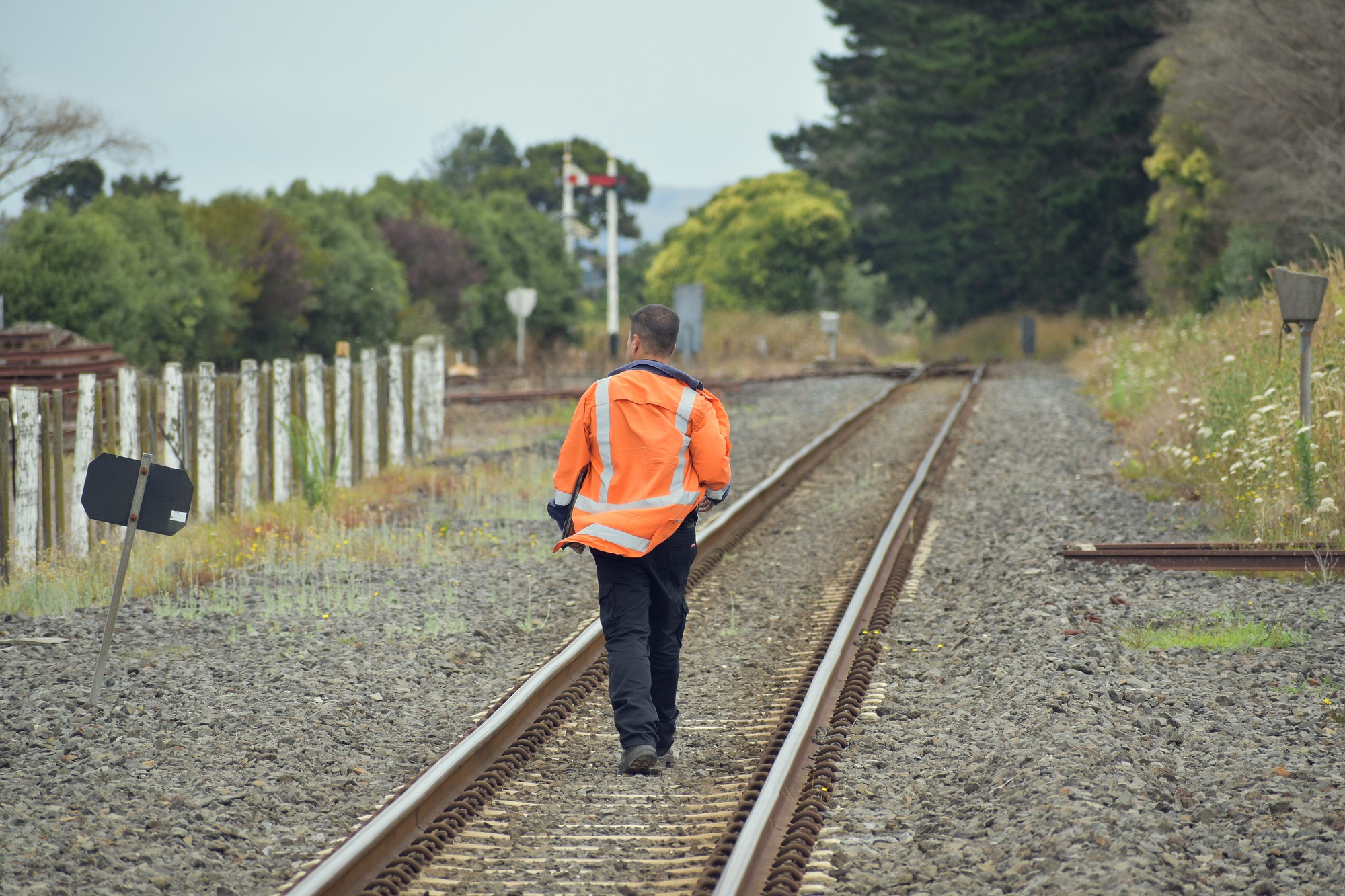
The intense summer heat along the Alabama rail corridors presents a severe threat to the hardworking individuals who maintain our transportation infrastructure. From the bustling yards in Birmingham to the coastal lines near Mobile, track mechanics, carmen, conductors, and maintenance-of-way crews face extreme thermal conditions while performing heavy physical labor. When a railroad carrier fails to implement proper safety protocols to manage environmental heat, the consequences can be catastrophic or even fatal, opening the door to a claim based on the carrier’s failure to provide a reasonably safe place to work.
How Does Federal Law Protect Alabama Railroad Workers From Extreme Heat?
The Federal Employers’ Liability Act (FELA) protects railroad workers by requiring carriers to provide a reasonably safe working environment. This non-delegable duty extends to weather hazards, meaning railroads must implement heat mitigation strategies such as adequate hydration, mandatory rest breaks, and cooling areas during extreme Alabama summers.
Interstate rail lines operate under a specialized federal framework that places the ultimate responsibility for employee safety directly on the carrier. Unlike traditional localized employment covered by state-level administrative programs, railroad workers are protected by the Federal Employers’ Liability Act.
This powerful legislation establishes that a railroad company breaches its core legal obligation if it requires structural mechanics or equipment operators to work under dangerous thermal conditions without implementing appropriate countermeasures. When heat waves strike regional rail networks near Decatur or Birmingham, management cannot simply dismiss heat-related illnesses as an act of nature or an unavoidable consequence of outdoor labor.
To comply with federal safety expectations, carriers must actively monitor regional weather conditions and establish comprehensive heat illness prevention programs. This involves providing field crews with unlimited clean, chilled water, structural shade, and modified shift schedules during peak temperature windows. The railroad’s duty of care remains active across every mile of track, inside every maintenance facility, and within every locomotive cab. When supervisory staff ignores weather warnings to prevent freight delays, the carrier assumes liability for the resulting physical breakdown of its workforce.
What Is the Featherweight Burden of Proof in a Heat Stroke Claim?
Unlike state workers’ compensation systems, FELA requires an injured rail worker to prove employer negligence. However, the legal standard is a ‘featherweight’ burden of proof, meaning the worker only needs to demonstrate that the railroad’s negligence contributed even in the slightest degree to the heat illness.
The fundamental distinction between standard state injury compensation and a federal rail claim lies in the requirement to demonstrate fault. Under Alabama state workers’ compensation, an injured worker receives limited benefits regardless of who caused the accident, but they forfeit the right to seek full damages. Conversely, the federal rail statutes utilize a comparative negligence framework where an injured track worker or conductor must show that corporate carelessness played a role in their illness. While proving negligence may sound daunting, the legal threshold established by federal courts is uniquely favorable to the worker, frequently referred to as a featherweight burden of proof.
To establish a valid claim, your legal team does not have to demonstrate that the railroad was entirely responsible for your heat stroke or exhaustion. If a carrier’s failure to supply functional air conditioning in a locomotive cab or a foreman’s refusal to grant a cooling break contributed even five percent to your physical collapse, the railroad is legally liable. This low evidentiary standard exists because federal lawmakers recognized the inherently dangerous character of the rail industry. When a crew is forced to complete heavy tie replacements during a brutal summer afternoon without proper safety oversight, demonstrating that the corporate culture contributed to the medical emergency satisfies this critical requirement.
What Specific Heat Hazards Do Maintenance-of-Way and Track Workers Face?
Alabama track mechanics and maintenance crews face heightened heat risks due to radiant heat from steel rails and reflective ballast stone. Working in remote rights-of-way far from shelter, these employees are highly susceptible to severe heat exhaustion and catastrophic heat stroke when carriers fail to provide immediate cooling resources.
The physical environment of the active right-of-way acts as a thermal incubator during hot summer months. Maintenance-of-way crews and track mechanics do not merely contend with the ambient air temperature; they are exposed to massive amounts of radiant energy. Heavy steel rails absorb solar radiation throughout the day, frequently reaching temperatures far exceeding one hundred and forty degrees Fahrenheit.
At the same time, the crushed ballast stone surrounding the tracks reflects heat upward, trapping workers in a highly hazardous microclimate. When these severe environmental factors combine with the heavy tools and intense physical exertion required to maintain infrastructure, a worker’s core body temperature can spike to dangerous levels within minutes.
Several distinct operational conditions regularly compound the risk of severe thermal injury along Alabama rail lines:
- Radiant heat amplification from dark steel rails and extensive beds of limestone or granite ballast.
- Remote work assignments along isolated sections of track where emergency medical access is delayed.
- The mandatory use of heavy, non-breathable personal protective equipment that prevents natural sweat evaporation.
- Inadequate acclimatization periods for new employees or crews returning from extended absences.
- Inoperable climate control units inside transport vehicles, equipment cabs, and older locomotive models.
When Norfolk Southern or CSX Transportation management fails to account for these specific field realities, they create an environment where severe physical trauma is inevitable. An uncooled equipment cab or an isolated work site without a designated cooling canopy represents a clear failure to provide a safe workplace. Track maintenance personnel deserve proactive protections that address these known physical stressors.
Can Lung or Kidney Damage from Occupational Heat Stress Be Covered Under FELA?
Yes, FELA covers both acute heat illnesses and the chronic, long-term complications caused by severe heat stress. Conditions such as rhabdomyolysis, permanent kidney damage, and cardiovascular complications resulting from on-the-job hyperthermia qualify for full financial compensation if carrier negligence is established.
Many people mistakenly assume that a heat-related illness is a temporary medical event that resolves fully after a few days of rest and hydration. Medical science demonstrates that severe hyperthermia can leave a worker with profound, irreversible physical impairments. When a railroad worker suffers an advanced stage of heat stroke on the job, the internal organs are subjected to extreme thermal stress.
This can trigger a life-threatening medical condition known as rhabdomyolysis, where damaged muscle tissue breaks down rapidly and releases harmful proteins into the bloodstream. This rapid cellular collapse frequently floods the renal system, leading to acute kidney injury or permanent chronic kidney disease that requires long-term medical management.
Furthermore, extreme heat stress places immense strain on the cardiovascular system as the heart pumps rapidly to cool the body. This intense workload can cause lasting myocardial damage, increasing the long-term risk of heart failure or stroke.
In some instances, severe hyperthermia impairs neurological function, leaving a track mechanic or machine operator with permanent cognitive or motor deficits. Because federal rail law covers all occupational illnesses and physical traumas caused by employer neglect, these chronic, life-altering conditions are fully compensable. Establishing a direct link between the initial field exposure and your current medical diagnosis is a cornerstone of a successful recovery strategy.
What Damages Can an Injured Railroad Worker Recover for a Heat Illness?
A severe thermal injury or the onset of a chronic organ condition can instantly disrupt a successful railroad career. The economic fallout for a track mechanic or equipment operator who can no longer handle the rigorous physical demands of the craft is often substantial. Fortunately, the federal recovery system is designed to provide comprehensive financial restoration to injured employees.
Unlike localized statutory programs that impose strict caps on non-economic damages, a federal claim allows for the unrestricted recovery of all verified losses resulting from corporate negligence. A full settlement or jury verdict encompasses multiple distinct categories of compensation designed to secure your family’s future.
A comprehensive FELA claim typically pursues financial recovery for the following damages:
- All past, current, and future medical expenses, including specialized renal care or physical rehabilitation.
- Complete reimbursement for all lost wages and benefits directly caused by the period of medical disability.
- The total financial value of diminished earning capacity if you are forced to transition to a lower-paying craft.
- Compensation for chronic physical pain, emotional distress, and the loss of enjoyment of life.
- The calculated future value of lost Railroad Retirement Board Tier 1 and Tier 2 retirement credits.
Securing an accurate assessment of these losses requires extensive calculation and deep knowledge of the rail industry’s economic structures.
Where Are Alabama Railroad Heat Illness Lawsuits Generally Filed?
Determining the correct venue for a lawsuit is a strategic decision that heavily influences how a case proceeds. Because FELA is a federal statute, these specialized injury cases are routinely handled within the United States District Court system, although state courts share concurrent jurisdiction. In Alabama, the specific geography of your rail assignment or the location where the safety failure occurred generally dictates where the lawsuit will be filed.
If your heat stroke or severe illness took place while maintaining tracks in the northern or central regions of the state, such as near Tuscaloosa, Decatur, or the greater Birmingham metro area, your claim will likely be initiated at the Hugo L. Black United States Courthouse in Birmingham.
For accidents or exposures occurring along the southern timber corridors, within the coastal switching yards, or near the active shipping terminals at the Port of Mobile, the Southern District of Alabama serves as the standard forum. The federal law allows a claimant to file suit in any district where the railroad company actively conducts business.
Because massive Class I carriers operate across multiple state lines and maintain vast local networks, our legal team carefully analyzes the historical track record and jury pools of each available jurisdiction. This strategic selection ensures your case is presented to a fair, well-regulated court that understands the federal mandates governing railroad safety.
How Long Do Mechanics and Carmen Have to File a Heat Illness Claim?
Railroad employees have exactly three years from the date of their injury or the discovery of their condition to file a FELA lawsuit. For chronic illnesses linked to long-term heat exposure, the three-year statute of limitations begins when the worker knew or should have known of the link.
Time is a critical asset following an occupational medical emergency on the railroad. Under the federal statute, an injured employee must formally file a lawsuit within a strict three-year window from the exact date the injury occurred. Missing this definitive deadline completely bars your ability to recover any compensation from the carrier, regardless of how severe your medical condition may be. For an acute event, such as a sudden collapse from heat stroke while replacing rails in the summer sun, the legal clock starts ticking the moment the medical crisis takes place.
However, if your claim involves a chronic condition like progressive kidney damage resulting from years of severe heat stress and inadequate hydration, the legal timeline utilizes the discovery rule. In these specific circumstances, the three-year limitation period begins when you first became aware or reasonably should have become aware that your physical impairment was connected to your railroad employment.
Corporate defense attorneys closely scrutinize your early medical records, looking for any mention of fatigue, dehydration, or renal strain to argue that you waited too long to act. Securing legal representation early is the most effective way to protect your rights and preserve essential field evidence.
What Steps Should an Employee Take After Suffering Heat Exhaustion on the Job?
The chaotic moments following a severe heat injury or physical collapse on the right-of-way are critical for your health and your potential legal claim. Railroad supervisors and corporate claims agents are highly trained to respond immediately, often working to build a defense for the company before you have even received a comprehensive medical assessment. To safeguard your physical well-being and protect your legal interests under federal law, you must take proactive control of the situation as soon as it is safe to do so.
If you or a colleague experiences symptoms of severe heat exhaustion or heat stroke, ensure these vital steps are completed:
- Report the medical condition immediately to the nearest foreman or trainmaster and insist on a formal written injury report.
- Seek immediate treatment from an independent medical center, such as UAB Hospital in Birmingham or the University of South Alabama Medical Center in Mobile, rather than a company-aligned occupational clinic.
- Specify the exact physical and environmental causes of your collapse when describing the incident to medical personnel, noting any lack of water or mandatory breaks.
- Use your personal phone to capture images of the work site, focusing on the absence of shade structures, failed cooling units, or relevant digital thermometer readings.
- Collect the names and direct contact details of all co-workers who witnessed the working conditions and your subsequent illness.
- Decline to participate in recorded interviews or provide written statements to railroad claims handlers until you have secured experienced legal counsel.
Following these practical steps ensures that clear, objective evidence is preserved before it can be altered or cleared from the site. Your medical documentation from an independent trauma center serves as an unbiased baseline of your physical condition, preventing corporate lawyers from minimizing the true severity of your injury.
Protecting the Health and Livelihoods of Alabama’s Rail Workers
A severe heat-related illness can completely disrupt your health, your career, and your family’s financial security. Dealing with an aggressive railroad claims department that is actively working to minimize your compensation only adds an unneeded burden during a difficult medical recovery. If you or a loved one has suffered an acute or chronic injury due to extreme thermal conditions while working in the engineering, mechanical, or transportation departments of an Alabama railroad, you do not have to face the legal system alone.
Contact Burge & Burge, PC for a free, confidential consultation to discuss your rights, evaluate your medical history, and take the necessary steps to protect your future.