
The Hidden Evidence In A Car Accident Case: Dashcams, Phone Data, Surveillance & Vehicle Records
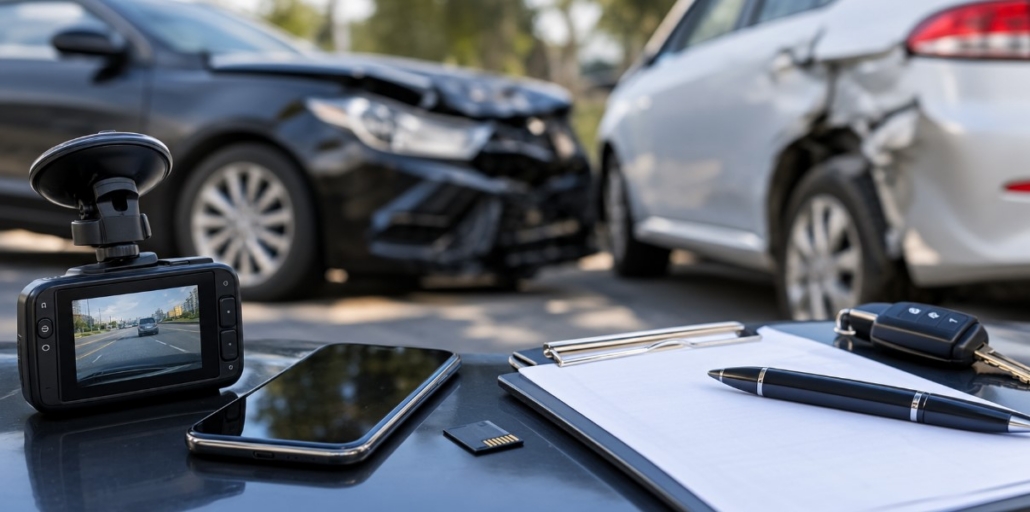
A crash can happen in seconds, but proving what happened afterward can take much longer. Drivers may remember the event differently, important witnesses may leave the scene, and physical evidence can disappear as traffic moves on. That is why digital and vehicle records can become important. A dashcam may capture the moments before impact, a nearby security camera may show another angle, and vehicle systems may contain technical information about what happened just before a collision.
Evidence in a car accident case is not always limited to photographs, police reports, and witness statements. Modern vehicles, mobile devices, dashcams, security systems, and other technology can preserve details that may help explain how a collision occurred. If you are looking for a Birmingham auto accident attorney, understanding these less obvious forms of evidence can help you recognize what information may matter when building an injury claim.
Burge & Burge, Law understands that the available evidence can vary depending on the circumstances of each crash. Some records may disappear quickly, while others may require formal requests or legal procedures to obtain. The key is to identify potentially useful evidence early and preserve it in its original form whenever possible.
Why Hidden Evidence Can Matter After A Crash
People often focus on what they can immediately see after an accident. This includes vehicle damage, road debris, skid marks, and visible injuries.
However, some important information may exist outside the accident scene. Digital records can sometimes help establish timing, movement, driver activity, or the sequence of events.
NHTSA crash investigations can include information from the crash scene, vehicles, interviews, police reports, and medical records to develop a fuller picture of what happened.
- Visual evidence: Video can show the events leading up to a collision.
- Digital evidence: Phone or electronic records may help establish activity around the crash.
- Vehicle evidence: Some vehicles record technical information surrounding a collision.
- Third-party evidence: Businesses, homes, traffic systems, and other vehicles may have recordings.
The value of any particular item depends on what it actually shows and whether it can be properly authenticated and used under applicable law.
Dashcam Footage Can Capture More Than The Impact
Dashcams can provide a continuous visual account of events from a driver’s perspective. Depending on the camera and settings, footage may show traffic signals, lane positions, vehicle movements, road conditions, and actions immediately before a crash.
This can be useful when the drivers provide different versions of what occurred. A recording may help confirm or challenge those accounts.
Dashcam footage should be preserved in its original form rather than repeatedly edited, compressed, or converted. Keeping the original storage device or file can help maintain information about the recording.
- Save the original file: Keep an untouched copy of the footage whenever possible.
- Check the surrounding footage: The seconds before and after impact may provide important context.
- Preserve the storage device: A memory card or camera may contain additional relevant recordings.
- Record the source: Note which camera captured the footage and when it was obtained.
Video evidence is among the types of evidence commonly identified in car accident claims, along with photographs, police reports, witness statements, and medical records.
Phone Data May Help Establish Driver Activity
Mobile phones can create another type of digital record. Depending on what information is legally available, records may help establish whether calls, messages, or other activity occurred around the time of a collision.
That does not automatically prove that phone use caused an accident. The timing, type of activity, and other circumstances still need to be considered.
Access to another person’s phone information can also involve privacy rules and formal legal procedures. For example, obtaining carrier records in litigation may require appropriate discovery methods or a subpoena, depending on the circumstances and jurisdiction.
- Call records: These may help establish whether a call occurred around the relevant time.
- Message timestamps: Certain records may show when messages were sent or received.
- Data records: Available information can vary depending on the provider and device.
- Device evidence: A forensic examination may reveal information not visible through ordinary phone use.
Phone evidence should be handled carefully because simply assuming that a driver was using a phone is not the same as proving it.
Nearby Surveillance May Tell A Different Story
A collision may be captured by a camera that the people involved in the crash never noticed. Security cameras at businesses, homes, parking facilities, petrol stations, intersections, and other locations may have views of nearby roads.
The challenge is that many systems automatically overwrite older recordings. This means potentially useful footage can disappear before anyone knows it exists. Nolo specifically notes that surveillance, cell phone, and dashcam footage should be sought promptly because footage may be overwritten within days.
- Check nearby businesses: Storefront cameras may capture approaching vehicles or the collision.
- Look for residential cameras: Doorbell and home security systems can sometimes cover nearby streets.
- Identify traffic cameras: Public traffic systems may provide another view where available.
- Act quickly: Ask about preservation before routine recording systems overwrite the footage.
If a camera owner has relevant footage, preserving the original recording and documenting where it came from can be important.
Vehicle Records Can Reveal Technical Details
Modern vehicles can contain electronic systems that record certain information related to a crash. One example is an Event Data Recorder, or EDR.
According to NHTSA, an EDR may record technical vehicle and occupant information for a brief period before, during, and after a crash. Depending on the vehicle, recorded information can include pre-crash vehicle dynamics, driver inputs, crash characteristics, and restraint-system information.
This information is not necessarily available in every vehicle or in the same format. Different manufacturers and vehicle systems can record different data.
- Speed information: Certain systems may record vehicle speed shortly before a crash.
- Driver inputs: Some EDRs can record information about driver controls.
- Safety systems: Data may include seat belt or restraint-system information.
- Crash characteristics: Some systems record information about the collision event itself.
EDR information can be technical, so interpretation may require someone familiar with the particular vehicle and recording system.
Other Vehicle Records May Add Useful Context
EDR information is only one possible source. Depending on the vehicle, additional electronic systems may create records related to location, operation, maintenance, or connected services.
The available information can vary substantially between vehicles. NHTSA notes that vehicle data systems differ in their scope and the specific information they record.
A damaged vehicle should therefore not be treated as just physical property. It may also contain electronic information that could become relevant to an investigation.
- Vehicle diagnostics: Electronic systems may contain information relevant to vehicle operation.
- Connected services: Certain vehicles may interact with connected technology that stores additional information.
- Maintenance records: Service records can help establish the vehicle’s condition and repair history.
- Repair documentation: Records can help connect damage with the collision and later repairs.
Preserving the vehicle before significant repairs or alterations can be important when the condition of the vehicle itself may be relevant.
Evidence Can Connect The Crash To Your Injuries
Not every piece of evidence needs to prove who caused the collision. Some evidence helps establish what happened after the impact and how the crash affected the injured person.
Medical records, treatment records, photographs, employment information, and other documents can help create a timeline of the injury and its consequences. NHTSA’s crash investigations similarly use medical records alongside scene and vehicle information when examining crashes and injuries.
This distinction matters because a claim can involve more than questions about the collision itself.
- Medical records: These document diagnosis, treatment, and reported symptoms.
- Treatment history: Follow-up care can show how injuries developed over time.
- Work records: Relevant records can help document time away from work.
- Personal notes: A factual record of symptoms can help preserve details that may otherwise be forgotten.
Keeping related documents together can make it easier to understand the complete timeline.
How Evidence Can Challenge An Incomplete Story
A driver’s statement may not provide the complete picture of an accident. Memories can differ, and people may not notice everything happening around them.
Independent evidence can provide another perspective. For example, a surveillance video might show traffic movement that was not visible to the drivers, while vehicle data could provide technical information about the moments surrounding impact.
The goal is not to collect every piece of information available. It is to identify evidence that can help answer the important questions about the collision and resulting injuries.
- Compare accounts: Check statements against available photographs, videos, and records.
- Build a timeline: Put the available information into a clear sequence of events.
- Identify gaps: Look for important moments that still need supporting evidence.
- Preserve contradictions: Conflicting evidence may need further investigation rather than immediate conclusions.
A Birmingham car crash law firm may review several evidence sources together instead of relying on one recording or document.
Preserving Evidence Before It Disappears
Evidence preservation should begin as soon as reasonably possible. Some evidence exists only temporarily, particularly video from private security systems.
Other evidence can be lost through routine handling. For example, repeatedly saving, editing, or converting a video can make it harder to establish the original source and context.
Digital evidence should therefore be handled carefully and consistently.
- Make backup copies: Preserve important digital files in more than one secure location.
- Avoid editing originals: Keep the original recording separate from any working copy.
- Document the source: Record who provided the evidence and when it was obtained.
- Keep physical items: Preserve relevant storage devices, damaged parts, and documents when appropriate.
Legal requirements for obtaining and preserving evidence vary by situation, so professional guidance can be useful when another person’s records or private information are involved.
What To Do If You Discover New Evidence
Finding new evidence after an accident can change the questions that need to be investigated. A recording may identify a previously unknown witness, while a vehicle record may raise questions about speed or driver input.
Instead of immediately drawing conclusions, preserve the information and consider how it fits with the other evidence.
You may also want to understand how insurers evaluate injury claims before discussing the full value of a claim. For additional information, see How Insurance Companies Calculate the Value of Injury Claims.
- Keep the complete recording: Do not save only the portion that appears helpful.
- Preserve related documents: Keep reports, photographs, messages, and records together.
- Note when evidence was found: A simple record can help establish its timeline.
- Avoid public posting: Sharing accident evidence online can create unnecessary complications.
The evidence should be evaluated as a whole rather than treating one isolated piece as conclusive.
How Personal Injury Attorneys Can Review Digital Evidence
Digital evidence can be useful, but it can also be complicated. A recording may need context, a phone record may require proper legal access, and vehicle data may need technical interpretation.
Personal Injury Attorneys in Birmingham can review the available evidence and determine which records may be relevant to an injury claim. Depending on the circumstances, obtaining additional information may involve contacting businesses, requesting records, working with experts, or using formal discovery procedures.
The purpose is to create a reliable account of the collision rather than simply collecting a large volume of documents.
- Evidence review: Relevant records can be organised according to the events they help establish.
- Source verification: The origin of digital information can be documented.
- Timeline development: Different records can be compared to establish a sequence.
- Technical review: Specialists may help interpret complex vehicle or digital information.
This process can be particularly useful when the available evidence does not match the initial version of events.
Common Mistakes That Can Affect Evidence
People can unintentionally lose useful evidence after a collision. One of the biggest problems is waiting too long to look for recordings.
Another mistake is assuming that only dramatic evidence matters. A short video showing a traffic signal, lane position, or vehicle movement may provide useful context even if it does not show the actual impact.
- Waiting too long: Surveillance systems may overwrite recordings.
- Editing files: Changes to original footage can complicate later review.
- Ignoring nearby cameras: Useful recordings may come from locations unrelated to the crash itself.
- Discarding damaged property: Physical evidence may help explain how the collision occurred.
- Relying on memory alone: Details can become harder to recall accurately over time.
Early evidence preservation can make the investigation more complete.
Turning Hidden Evidence Into A Clearer Picture
A car accident investigation does not always end when the vehicles are moved from the road. Dashcams, surveillance systems, phone records, vehicle data, photographs, medical records, and witness information may all contribute pieces to the larger picture.
The most important step is to preserve potentially relevant evidence early and avoid assuming that one piece tells the entire story.
Burge & Burge, Law can help injured individuals understand what evidence may be relevant to their circumstances and how that information may fit into an injury claim.
If you have been injured and believe important evidence may exist, Contact us today to discuss your situation and the next steps that may be available to you.
Frequently Asked Questions

