
Key Evidence That Strengthens an Auto Accident Injury Claim
Auto accident injury claims can be complicated, requiring careful collection and presentation of evidence to prove liability and secure fair compensation. Legal experts like Burge & Burge help accident victims understand what evidence matters most and how to use it effectively in their claims.
From police reports to eyewitness accounts, vehicle data, and medical documentation, every piece of evidence plays a critical role in demonstrating fault and injury severity. Knowing how to preserve and present this evidence can significantly impact the outcome of an auto accident injury claim.
Police Reports as Foundational Evidence
Police reports are one of the first and most important sources of information after an auto accident. They provide an official, unbiased record of the incident. These reports not only describe the accident scene but also detail the officer’s assessment and observations. They are considered credible evidence by courts and insurance companies. Legal professionals often use police reports as a starting point to guide further investigation. Timely acquisition of these reports ensures that all details are accurately captured before discrepancies arise.
- Details of the accident scene
- Statements from involved parties
- Officer observations and assessments
- Citations or violations issued
These reports are often relied upon by insurance companies and courts. For victims working with a car accident attorney in Birmingham, having a police report early on helps establish a factual foundation for the claim, reducing disputes about what happened.
Medical Records Documenting Injuries
Medical documentation is essential for demonstrating the severity and nature of injuries sustained in a car accident. These records show the immediate and ongoing impact of injuries on a victim’s health. They allow legal teams to build a strong case for compensation by highlighting the treatments required and potential long-term consequences. Properly organized medical evidence can also help differentiate between pre-existing conditions and accident-related injuries, strengthening credibility.
- Diagnoses and medical evaluations
- Treatment plans and procedures
- Prescriptions and therapies
- Ongoing care and rehabilitation needs
A personal injury lawyer can use these records to quantify damages, justify medical costs, and demonstrate how the injuries affect daily life. Medical evidence is crucial in ensuring victims are compensated fairly for both immediate and long-term care.
Photographs and Videos Capturing the Scene
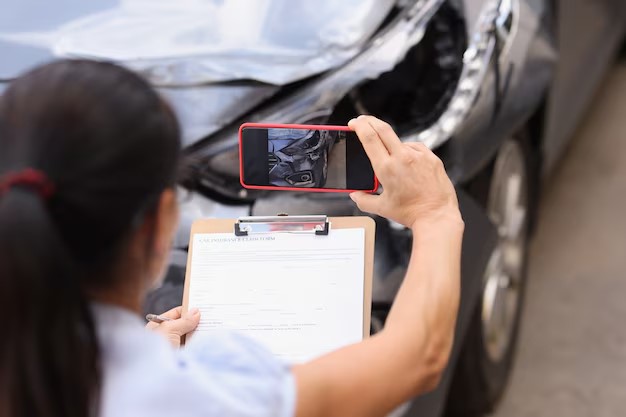
Visual evidence is one of the most persuasive tools in auto accident cases. Photographs and videos offer a snapshot of the accident scene that is difficult to dispute. They document vehicle positions, road conditions, and environmental factors, providing a clear, unbiased record. These visuals can also help legal teams reconstruct the accident for insurance purposes or court presentations, ensuring the victim’s account is backed by concrete evidence.
- Vehicle damage and positioning
- Road conditions and traffic signs
- Environmental factors like weather, lighting, and road obstacles
- Skid marks or other physical evidence
Visual records support eyewitness accounts and expert testimony. Car crash law firm professionals often use these images to reconstruct the accident and show exactly how the crash occurred.
Eyewitness Statements Strengthening Testimony
Eyewitness accounts provide valuable perspectives on events leading up to the accident. These statements can clarify ambiguous details, such as driver behavior, vehicle speed, and traffic conditions. Collecting them early ensures accuracy and credibility, as memories fade over time. Properly documented eyewitness accounts can be a critical complement to other evidence like police reports and photographs.
- Vehicle movements and speed
- Driver behavior before and during the collision
- Actions of pedestrians or other vehicles
A car accident attorney in Birmingham can help gather and present these statements effectively in negotiations or court.
Vehicle Damage Reports and Expert Inspections
Professional inspections provide an objective assessment of vehicle damage and the forces involved in a collision. These evaluations reveal not just the visible damage but also the underlying mechanical impact, helping experts determine the severity of the crash. Such reports are especially important when disputes arise over liability or repair costs, providing credible, third-party validation of the accident circumstances.
- Severity of collision and force of impact
- Estimated repair costs
- Correlation between damage patterns and accident circumstances
These expert reports are particularly valuable in cases managed by a car crash law firm, as they substantiate claims for property damage and personal injury while helping to reconstruct the sequence of events.
Electronic and Telematics Data
Modern vehicles are equipped with systems that record vital information regarding driving behavior. This electronic data can reveal critical details about speed, braking, steering, and other actions taken just before a collision. It provides objective, time-stamped evidence that can confirm or challenge eyewitness accounts and driver statements. Preserving this data quickly ensures it remains admissible in claims or court proceedings.
- Speed and acceleration patterns
- Braking and steering input
- Seatbelt usage and airbag deployment
Data from Event Data Recorders (EDRs) or telematics systems provides objective evidence that can confirm or refute witness and driver statements. A personal injury lawyer can help access and interpret this data to support claims of negligence and liability.
Insurance Correspondence and Documentation
Insurance records are essential for tracking communications and offers related to the accident. Documenting every interaction with insurers helps create a clear paper trail of the claim process. Properly organized correspondence can reveal delays, misrepresentations, or disputes, which can be critical in negotiations. Legal teams use these records to ensure transparency and accountability throughout the claim process.
- Policy documents and claim forms
- Email or letter communications with insurance adjusters
- Settlement offers and denial notices
A car accident attorney in Birmingham can review these materials to strengthen your claim and hold insurers accountable.
Traffic Cameras and Public Surveillance Footage
Surveillance footage can provide a clear visual account of an accident that supports or refutes testimony. Traffic cameras and nearby business surveillance can capture vehicles in motion, traffic patterns, and driver behavior leading up to a collision. This objective evidence is highly persuasive in insurance negotiations and court proceedings. Quick action is crucial, as footage is often overwritten or unavailable after a short period.
- Vehicle positions and speed at impact
- Right-of-way disputes
- Corroboration of eyewitness accounts
Car crash law firm professionals can request and preserve these videos to use as compelling evidence in your case.
Accident Reconstruction and Expert Analysis
Accident reconstruction combines all available evidence to recreate the events of the crash. Experts analyze data from police reports, photographs, vehicle inspections, and telematics to provide a detailed understanding of the accident. Their testimony is highly valuable in demonstrating causation and clarifying complex details for judges or juries. This expert analysis helps ensure a fair evaluation of liability and damages.
- Timeline of events leading up to the collision
- Analysis of driver actions, speed, and stopping distances
- Determination of fault based on evidence
A personal injury lawyer can leverage these analyses to support claims for compensation, particularly in cases involving severe injuries.
Timely Collection of Evidence
Auto accident evidence is often perishable, making timely collection essential. Witnesses may move or forget details, surveillance footage may be overwritten, and vehicle damage can be repaired. Immediate action ensures that all critical evidence is preserved. This includes collecting reports, photographs, medical records, and electronic data before it is lost.
- Preserve critical records and photos
- Collect witness statements while memories are fresh
- Secure electronic and telematics data
Engaging a car accident attorney in Birmingham soon after the accident ensures that all necessary evidence is documented and preserved, strengthening the overall claim.
Organizing Evidence for Legal Proceedings
Proper organization is key to presenting evidence effectively in any auto accident claim. Evidence should be arranged logically and chronologically to make the case clear and persuasive. Labeling photographs, categorizing documents, and preparing expert reports ensures that the legal process proceeds efficiently and without confusion. Organized evidence also helps negotiate settlements and increases credibility in court.
- Chronologically arranging medical records and police reports
- Labeling photographs and videos for clarity
- Preparing expert reports for court or insurance review
A car crash law firm ensures that the evidence is admissible, persuasive, and clearly demonstrates the impact of the accident on the victim’s life.
How Evidence Impacts Compensation
The quality and quantity of evidence can directly affect compensation outcomes.
Thorough documentation of injuries, vehicle damage, and liability strengthens claims for medical expenses, lost wages, and pain and suffering. Demonstrating the long-term impact of the accident helps ensure victims receive compensation that fully reflects their losses and ongoing needs.
- Medical expenses and ongoing care
- Lost wages and loss of earning capacity
- Vehicle repairs and property damage
- Pain, suffering, and emotional distress
A personal injury lawyer can help quantify these losses and present evidence that maximizes your chances of obtaining fair compensation, whether through settlement or litigation.
Final Thoughts on Building a Strong Auto Accident Injury Claim
Proper evidence collection and organization is the cornerstone of any successful auto accident injury claim. Police reports, medical records, photographs, witness statements, expert inspections, and vehicle data all work together to establish fault, demonstrate injury severity, and support compensation claims.
Burge & Burge has the experience and resources necessary to help accident victims preserve, analyze, and present evidence effectively. If you or a loved one has been injured in an auto accident, contact Burge & Burge, PC today to schedule a consultation and secure the support you need.
Frequently Asked Questions

