
Maximizing Your Compensation After a Devastating Truck Accident in Alabama
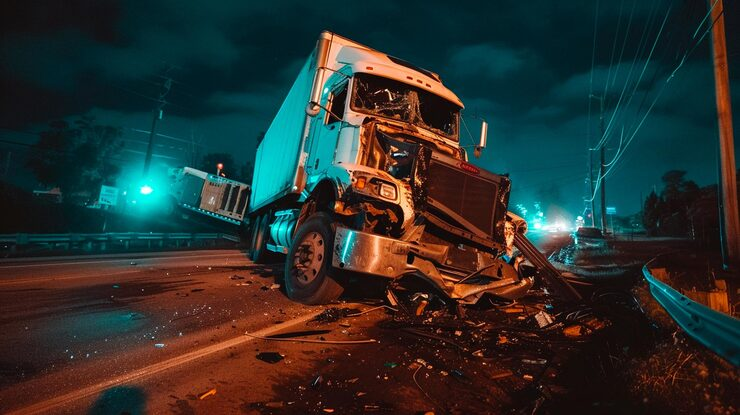
The aftermath of a truck accident is often a chaotic and terrifying experience. Unlike a typical car crash, collisions involving commercial trucks – 18-wheelers, semi-trucks, tractor-trailers, or big rigs – can lead to far more catastrophic injuries and complex legal challenges. The sheer size and weight of these vehicles mean the impact forces are immense, frequently leaving victims with life-altering physical, emotional, and financial burdens. If you have been involved in a collision with a large commercial truck in Alabama, the path to recovery can feel overwhelming.
You are likely facing extensive medical treatments, lost wages, and the daunting prospect of dealing with large trucking companies and their aggressive insurance adjusters. Seeking full and fair compensation requires a strategic approach and a deep familiarity with the specific laws and regulations that govern the trucking industry.
What Makes Truck Accidents Different from Car Accidents?
While all motor vehicle accidents can be serious, truck accidents present distinct differences that significantly impact the legal claims process.
Size and Weight Disparity: Commercial trucks can weigh up to 80,000 pounds when fully loaded, compared to an average passenger car of around 4,000 pounds. This enormous weight difference results in:
- More severe impact forces.
- Higher likelihood of catastrophic injuries or fatalities.
- Greater property damage.
Complex Regulations: The trucking industry is heavily regulated by federal and state laws, including those enforced by the Federal Motor Carrier Safety Administration (FMCSA). These regulations cover:
- Driver hours of service (HOS) to prevent fatigued driving.
- Vehicle maintenance and inspection requirements.
- Weight and cargo loading restrictions.
- Driver qualifications and licensing.
Multiple Liable Parties: Unlike a car accident where fault usually lies with one or two drivers, truck accidents often involve multiple potential defendants:
- The truck driver.
- The trucking company.
- The cargo loader.
- The truck manufacturer or parts manufacturer.
- Maintenance and repair companies.
Extensive Evidence: Gathering evidence in a truck accident case is more intricate. It often involves:
- Electronic logging devices (ELDs).
- Black box data (Event Data Recorders).
- Driver qualification files.
- Maintenance records.
- Bills of lading and shipping manifests.
Higher Insurance Policies: Trucking companies carry significantly larger insurance policies due to the high potential for severe damages. While this means more potential compensation, it also means insurance companies will deploy considerable resources to minimize payouts.
Common Causes of Alabama Truck Accidents
Identifying the precise cause of a truck accident is paramount for establishing liability. Many factors can contribute to these devastating collisions:
- Driver Fatigue:Despite HOS regulations, drivers often push limits. Fatigued driving impairs judgment, reaction time, and attentiveness.
- Distracted Driving:Texting, eating, navigating, or other distractions take a truck driver’s eyes and mind off the road.
- Speeding:Driving too fast for conditions or exceeding posted limits reduces a truck’s stopping distance and increases collision severity.
- Improper Loading or Overloading:Unbalanced or unsecured cargo can cause shifts, leading to rollovers or jackknifing. Overloaded trucks are harder to stop and control.
- Poor Vehicle Maintenance:Neglecting brake inspections, tire replacements, light repairs, or other maintenance issues can lead to mechanical failures.
- Brake Failure:Defective or improperly maintained brakes are a frequent cause of truck accidents.
- Tire Blowouts:Worn-out or improperly inflated tires can lead to sudden blowouts, causing the driver to lose control.
- Lack of Driver Training or Inexperience:Inadequate training on specific truck types, routes, or hazardous materials can contribute to accidents.
- Driving Under the Influence (DUI):Though strictly prohibited, some truck drivers operate under the influence of alcohol or drugs.
- Aggressive Driving:Following too closely, improper lane changes, or reckless maneuvers by truck drivers.
- Poor Road Conditions:Potholes, uneven pavement, or inadequate road design can contribute to truck accidents, especially in adverse weather.
- Adverse Weather Conditions:Rain, ice, snow, or fog reduce visibility and traction, making it harder to control large vehicles.
Catastrophic Injuries from Truck Collisions
The injuries sustained in a truck accident are frequently severe and life-altering, requiring extensive and long-term medical care.
- Traumatic Brain Injuries (TBIs):From concussions to severe brain damage, TBIs can result in cognitive, physical, and emotional impairments.
- Spinal Cord Injuries:Damage to the spinal cord can lead to partial or complete paralysis, requiring lifelong care and drastically altering quality of life.
- Broken Bones and Fractures:Multiple or complex fractures, often requiring surgery and prolonged rehabilitation.
- Internal Injuries:Organ damage, internal bleeding, and punctured lungs are common due to the force of impact.
- Amputations:Limbs may be crushed, necessitating amputation, or traumatically amputated at the scene.
- Severe Lacerations and Abrasions:Deep cuts and extensive skin damage, often leading to significant scarring and infection risk.
- Burns:From fires caused by spilled fuel or friction, leading to severe thermal burns that require skin grafts and extensive treatment.
- Neck and Back Injuries:Whiplash, herniated discs, and other soft tissue injuries that can lead to chronic pain and disability.
- Psychological Trauma:Post-Traumatic Stress Disorder (PTSD), anxiety, depression, and other emotional distress resulting from the traumatic event.
Proving Negligence in a Truck Accident Claim
To maximize your compensation, you must demonstrate that the truck driver or trucking company’s negligence caused your injuries. Under Alabama law, negligence means a failure to exercise reasonable care, which then leads to harm.
The burden of proof in truck accident cases is on the injured party. You must show:
- Duty of Care:The truck driver or trucking company owed you a legal duty to operate safely. (All drivers and motor carriers have this duty).
- Breach of Duty:They breached this duty through a negligent act or omission (e.g., fatigued driving, improper maintenance, speeding).
- Causation:This breach directly caused your accident and injuries.
- Damages:You suffered actual damages (injuries, financial losses) as a result.
Given the complex regulations and multiple parties involved, proving negligence in a truck accident often requires:
- Thorough Investigation:Examining driver logs, maintenance records, black box data, police reports, and witness statements.
- Accident Reconstruction:Experts may be needed to analyze the scene, vehicle damage, and other data to determine how the accident occurred.
- Expert Testimony:Medical professionals, vocational specialists, and economists may be needed to establish the extent of your injuries and financial losses.
An attorney familiar with truck accident litigation knows how to uncover evidence of negligence, even when trucking companies attempt to conceal it.
Types of Compensation Recoverable After a Truck Accident
A successful truck accident claim aims to recover both economic and non-economic damages to make the injured party whole again.
Economic Damages: These are quantifiable financial losses.
- Medical Expenses:Past and future costs of emergency care, hospital stays, surgeries, doctor visits, physical therapy, prescription medications, assistive devices, and long-term care.
- Lost Wages:Income you have already lost due to your inability to work.
- Loss of Earning Capacity:Compensation for future income you will be unable to earn due to permanent injury or disability.
- Property Damage:Cost to repair or replace your vehicle and any other damaged personal property.
- Out-of-Pocket Expenses:Costs like transportation to medical appointments, home modifications for accessibility, and other injury-related expenditures.
Non-Economic Damages: These are more subjective losses that do not have a direct financial cost but significantly impact your life.
- Pain and Suffering: Compensation for physical pain and emotional distress caused by the injuries.
- Mental Anguish: Damages for the psychological impact of the accident, including anxiety, depression, and PTSD.
- Loss of Enjoyment of Life: Compensation for the inability to participate in hobbies, recreational activities, or daily activities you enjoyed before the accident.
- Loss of Consortium: In cases of severe injury or wrongful death, compensation for the loss of companionship, affection, and support for a spouse.
Punitive Damages: In rare cases, if the trucking company or driver’s conduct was exceptionally reckless, malicious, or demonstrated extreme disregard for safety, punitive damages may be awarded. These are intended to punish the at-fault party and deter similar conduct in the future.
The Truck Accident Claims Process
Navigating a truck accident claim involves several key stages, each requiring diligent attention.
- Investigation and Evidence Collection: This initial phase involves gathering all possible evidence: police reports, medical records, truck maintenance logs, driver history, black box data, witness statements, and accident scene photos/videos.
- Demand Letter: Once your medical treatment is complete or you have reached maximum medical improvement, your attorney will compile all evidence and send a demand letter to the trucking company’s insurance provider, outlining the facts of the case, the extent of your damages, and the compensation sought.
- Negotiation: The insurance company will typically respond with an offer, which is often much lower than the actual value of your claim. Your attorney will negotiate on your behalf, presenting compelling evidence to justify your demands.
- Filing a Lawsuit: If negotiations do not result in a fair settlement, a lawsuit may be filed. This formal step begins the litigation process.
- Discovery: During discovery, both sides exchange information through interrogatories (written questions), requests for documents, and depositions (sworn out-of-court testimony).
- Mediation or Arbitration: Before trial, many cases go through alternative dispute resolution methods like mediation (a neutral third party helps facilitate a settlement) or arbitration (a neutral third party hears the case and makes a decision).
- Trial: If no settlement is reached, the case proceeds to trial, where a judge or jury hears the evidence and decides on liability and damages.
Why Legal Representation is Essential for Truck Accident Claims
While you can file a claim yourself, the complexities of truck accident cases make experienced legal representation highly advisable.
- Experience with Trucking Regulations: Attorneys familiar with truck accidents possess a deep knowledge of federal and state trucking regulations, which are vital for establishing negligence.
- Resources for Investigation: They have the resources to conduct thorough investigations, access expert witnesses (accident reconstructionists, medical specialists), and uncover critical evidence that might otherwise be overlooked or withheld.
- Dealing with Aggressive Insurers: Trucking companies and their insurers have substantial legal teams and resources. An attorney will protect you from predatory tactics, handle all communications, and negotiate fiercely on your behalf.
- Accurate Valuation of Damages: An attorney can accurately assess the full extent of your damages, including future medical costs and lost earning capacity, ensuring you seek complete compensation.
- Navigating Legal Procedures: They will handle all legal paperwork, deadlines, and court procedures, allowing you to focus on your recovery.
- Maximizing Your Claim: Their experience often leads to significantly higher compensation than individuals attempting to handle claims on their own.
Contact Burge & Burge, PC: Experienced Alabama Truck Accident Attorneys
The aftermath of a truck accident is a challenging time, filled with pain, uncertainty, and financial strain. Pursuing compensation for your injuries requires a detailed understanding of complex regulations, a meticulous approach to evidence collection, and a determined stance against well-funded insurance companies.
At Burge & Burge, PC, we have guided numerous individuals through the intricate process of truck accident claims in Alabama. We are committed to protecting the rights of injured victims and working tirelessly to achieve the compensation they deserve.
If you or a loved one has been injured in a devastating truck accident, you are not alone. Contact us today for a free, confidential consultation to discuss your case and explore how we can help you navigate this difficult path toward recovery.

