
How Do Railroad Companies Use Surveillance Against Injured Workers in Alabama?
The moments following a catastrophic railroad injury are defined by physical pain and the sudden weight of an uncertain future. For railroaders in Alabama, whether you are working the lines through Norris Yard in Birmingham or navigating the busy tracks near the Port of Mobile, the transition from being a vital part of the workforce to an injured claimant is jarring. While you are focusing on emergency surgeries and the grueling process of rehabilitation, the railroad company is often already shifting its focus toward a different goal: minimizing its financial liability. This often includes deploying sophisticated surveillance tactics aimed at disproving the validity of your injury claim.
How Do Railroad Companies Use Surveillance Against Injured Workers in Alabama?
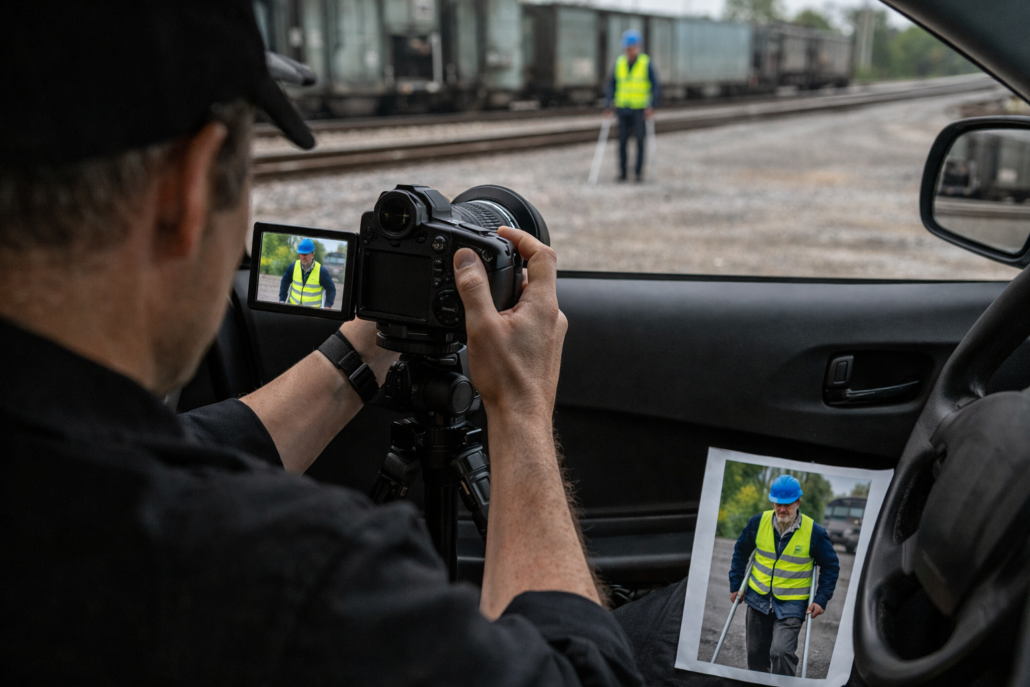
Railroad companies use surveillance by hiring private investigators to record injured workers during their daily activities, looking for any movement that suggests the injury is less severe than claimed. Investigators often follow workers to grocery stores, medical appointments, or family gatherings to capture video of them lifting, bending, or walking without assistance.
The primary objective of this surveillance is to create “impeachment evidence.” In the legal world, if a railroader testifies that they can no longer lift more than ten pounds due to a spinal cord injury, but a grain of video shows them carrying a heavy bag of mulch at a local garden center in Hoover or Trussville, the railroad will use that footage to destroy the worker’s credibility. These investigators are highly patient; they may sit in unmarked vehicles near your neighborhood for days, waiting for a single five-second clip that can be taken out of context. They aren’t looking for the truth of your daily struggle; they are looking for a “gotcha” moment to show a jury.
Common surveillance methods include:
- Mobile Surveillance: Investigators following your vehicle as you run errands or attend physical therapy.
- Stationary Observation: Parking near your home to monitor yard work, home maintenance, or how you exit your vehicle.
- Social Media Monitoring: Scouring Facebook, Instagram, and LinkedIn for photos of vacations, hobbies, or social events that might suggest physical activity.
- Pretext Inquiries: Investigators posing as delivery drivers or utility workers to get a closer look at your physical state or to engage you in a conversation that requires physical movement.
What Should I Do if I Suspect I Am Being Followed by a Railroad Investigator?
If you suspect you are under surveillance, remain calm and continue to follow your doctor’s prescribed activity restrictions strictly without attempting to “catch” or confront the investigator. Document the sighting, notify your legal team immediately, and ensure your daily actions consistently reflect the genuine physical limitations caused by your railroad-related injury.
Confronting an investigator can sometimes backfire, as the resulting interaction, which might involve quick movements or heated gestures, can itself be recorded and used to suggest you have more energy or mobility than reported. Instead, treat the presence of an investigator as a reminder that the railroad is looking for any reason to deny your claim. If you are supposed to be using a cane or a back brace as part of your recovery, it is vital that you use those devices every time you are in public. Even a short walk to the mailbox at your home in Vestavia Hills or Bessemer is an opportunity for a telephoto lens to capture a “miraculous” recovery.
To protect yourself during this period, consider these steps:
- Maintain Consistency: Ensure your behavior in public is 100% consistent with what you have told your doctors and what is documented in your medical records.
- Social Media Lockdown: Set all social media accounts to the highest privacy settings and instruct family members not to post photos of you.
- Keep a Journal: Maintain a daily log of your pain levels and physical struggles; if a surveillance video shows you moving well for a few minutes, your journal can provide the context of the “crash” or increased pain that followed that activity.
- Report New Vehicles: If you notice an unfamiliar car idling near your house for extended periods, write down the make, model, and license plate number for your attorney.
The Hidden Danger of Social Media in FELA Claims
In the modern legal landscape, surveillance doesn’t always require a private eye in a trench coat. It often happens from a desk in a corporate office. Railroad claims adjusters are trained to mine social media for evidence. A seemingly innocent photo posted by a cousin showing you at a backyard barbecue in Mobile can be used to argue that you are not experiencing the “loss of enjoyment of life” or “mental anguish” claimed in your lawsuit.
The law recognizes that catastrophic injuries, such as traumatic brain injuries or amputations, carry a heavy emotional and social burden. However, if your digital footprint suggests a high level of social activity, the railroad will use this to devalue the non-economic portion of your damages. They want to paint a picture for the jury that your life has not changed, despite the reality of your daily pain and the loss of your career.
Identifying Railroad Negligence in Catastrophic Events
To recover damages under FELA, you must demonstrate that the railroad was negligent. Surveillance is often a diversionary tactic used to shift the focus from the railroad’s failures to the workers’ character. Common failures that lead to these life-altering injuries include:
- Defective Equipment: Handbrakes that fail to hold or couplers that do not align properly, leading to crushing injuries.
- Unsafe Walking Surfaces: Large, uneven ballast or oil-slicked walkways in switching yards that cause devastating falls.
- Inadequate Staffing: Forcing crews to work while fatigued or understaffed, which significantly increases the risk of human error and equipment failure.
- Lack of Training: Requiring workers to perform specialized tasks without the proper safety preparation.
By focusing on these root causes, we can keep the spotlight on the carrier’s failure to maintain a safe workplace, rather than allowing them to distract the court with out-of-context surveillance clips.
Contact Burge & Burge, PC for a Consultation
If you or a loved one has suffered a catastrophic railroad injury in Alabama, the path forward involves more than just physical healing; it requires a strategic defense against the tactics used by major rail corporations. The railroad will have its own team of investigators and lawyers working to minimize your claim from the moment the accident occurs near the tracks or in the yard. At Burge & Burge, PC, we understand the complexities of federal law and the specific challenges faced by Alabama railroaders. We handle the investigation into the railroad’s negligence and manage the pressures of the litigation process so you can focus on your recovery.
Contact us today at 205-947-2962 for a free, confidential consultation. Let us help you secure the compensation and support you need to move forward.
Frequently Asked Questions
