
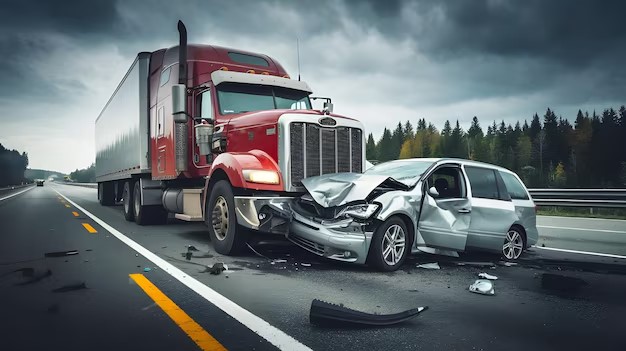
Determining Fault in Car vs. Truck Accidents Under Alabama Law
Car vs truck accidents can result in complex legal scenarios because of the significant differences in vehicle size, insurance coverage, and federal regulations. Trucks are subject to federal safety rules, have larger blind spots, and often carry higher insurance policies, all of which make determining fault more complicated than typical car accidents. Understanding how fault is determined in these accidents is crucial for victims seeking fair compensation, especially when multiple parties, such as trucking companies and drivers, may share responsibility. Victims should consult experienced Burge & Burge, PC attorneys who specialize in car vs truck accidents to ensure all aspects of liability are carefully evaluated and documented. This guide explores the key factors influencing liability in Alabama and provides insights for those navigating the legal process.
Understanding Truck Accident Liability in Alabama
Truck accident liability is often more complicated than standard car accidents. Trucking companies, federal regulations, and multiple parties can all contribute to fault.
Trucking companies may be held liable if the truck was improperly maintained or if the driver violated federal safety regulations. Drivers of passenger vehicles may also share responsibility depending on the circumstances of the crash.
Key factors that influence truck accident liability include:
- Driver negligence: Speeding, fatigue, or distracted driving can make a truck driver liable.
- Vehicle maintenance: Poor maintenance or mechanical failure can transfer liability to the trucking company.
- Employer liability: Trucking companies may be responsible for negligent hiring, training, or supervision.
- Third-party factors: Road conditions or defective vehicle parts may contribute to the accident.
Consulting an accident attorney can clarify liability and help gather evidence critical for a successful claim.
The Role of Contributory Negligence in Alabama
Alabama follows the doctrine of contributory negligence, which can significantly impact accident claims. Contributory negligence Alabama law states that if a victim is even slightly responsible for the accident, they may be barred from recovering damages.
This makes gathering evidence extremely important in car vs truck accidents. Victims need to demonstrate that they were not at fault or that their negligence did not contribute to the crash.
Important considerations include:
- Determining fault percentages
- Examining traffic laws and violations
- Collecting accident reports, witness statements, and video evidence
Victims should seek an experienced auto accident attorney in Tuscaloosa to navigate the challenges posed by contributory negligence rules.
Common Causes of Car vs Truck Accidents
Truck crashes often involve factors that differ from standard car accidents. Understanding these causes can help in proving fault.
Frequent causes include:
- Blind spot truck crashes: Trucks have significant blind spots that increase the risk of side collisions.
- Driver fatigue: Long hours on the road can impair a truck driver’s reaction time.
- Speeding and aggressive driving: Truck drivers may exceed safe speeds to meet delivery deadlines.
- Mechanical failures: Brake failures or tire blowouts can trigger accidents.
- Weather and road conditions: Slippery roads or poor visibility can exacerbate the impact of human errors
Settlement Differences Between Car vs Truck Accidents
Settlements in car vs truck accidents differ significantly from regular car accidents due to higher insurance coverage and more complex liability considerations.
Key differences include:
- Higher insurance policies: Trucks often carry higher liability coverage, leading to potentially larger settlements.
- Multiple responsible parties: Liability may involve trucking companies, drivers, or vehicle manufacturers.
- Complex legal claims: Federal regulations can affect claims and complicate negotiations.
Engaging a truck accident injury attorney can help victims navigate these settlement differences and maximize their compensation.
Investigating Fault After a Car vs Truck Accident
Thorough investigation is critical in proving fault in Alabama car vs truck accidents.
Essential steps include:
- Collecting accident reports: Police reports provide initial insights into fault.
- Gathering evidence: Photographs, dashcam footage, and black box data can support claims.
- Interviewing witnesses: Statements from bystanders or other drivers can corroborate the accident narrative.
- Consulting experts: Accident reconstruction specialists can provide critical testimony for complex crashes
Tuscaloosa personal injury lawyers often assist with investigations to ensure all aspects of liability are carefully documented.
Insurance Challenges in Car vs Truck Accidents
Insurance claims in truck accidents are more complex than standard car accidents due to multiple parties and higher stakes.
Challenges may include:
- Multiple insurers: Liability may involve both the truck driver’s personal insurance and the company’s commercial policy.
- Delays in claim processing: Large insurance companies may delay claims while investigating fault.
- Disputes over liability: Contributory negligence can reduce or eliminate compensation for the injured party.
Working with an experienced auto accident attorney ensures that victims handle these challenges efficiently.
Protecting Your Rights After an Accident
Victims of car vs truck accidents should take steps to protect their legal rights and ensure fair compensation.
Recommended actions:
- Seek medical attention immediately
- Document the accident scene with photos and notes
- Preserve any physical evidence
- Avoid giving recorded statements to insurance adjusters without attorney consultation
- Contact an experienced accident injury attorney for guidance
These steps can significantly impact the outcome of claims under Alabama law.
Seek Expert Legal Guidance for Car vs Truck Accidents in Alabama
For victims navigating the complexities of car vs truck accidents, it is crucial to seek professional guidance. Experienced Tuscaloosa personal injury lawyers can ensure that your case is properly evaluated and pursued. Visit Burge & Burge, PC to speak with trusted auto accident attorneys in Tuscaloosa and truck accident injury attorneys who specialize in handling complex vehicle accident claims. Their in-depth knowledge of truck accident liability in AL and understanding of Alabama contributory negligence rules can make a significant difference in the outcome of your case.

