
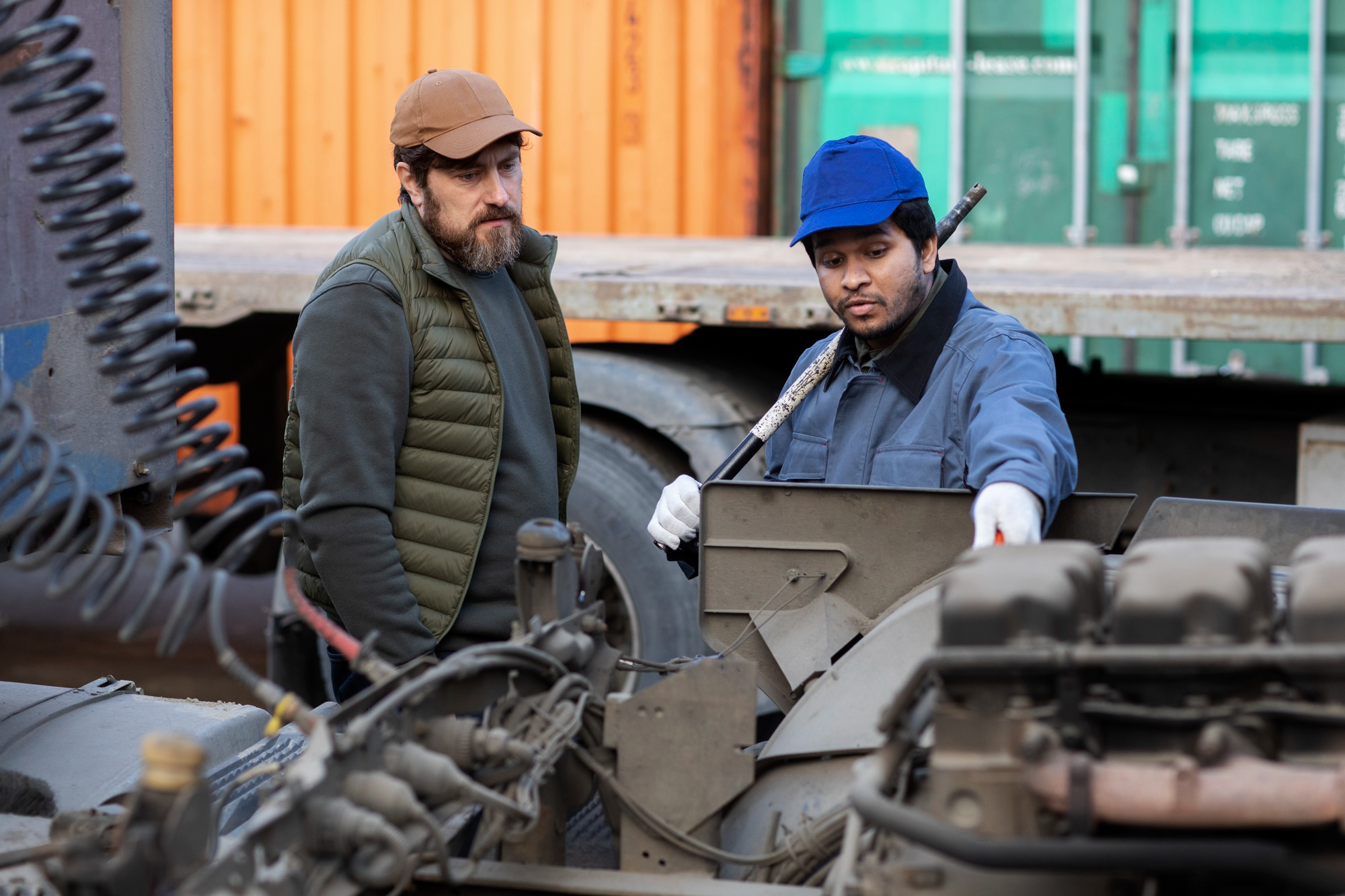
The industrial backbone of Alabama relies on the relentless precision of railroad welders and machinists. From the Norfolk Southern yards in Birmingham to the CSX facilities near the Port of Mobile, these skilled tradespeople maintain the structural integrity of locomotives and the tracks they run on. However, the intersection of high-heat welding, heavy machinery repair, and the constant movement of rail traffic creates an environment where a single oversight can lead to a career-ending injury. This danger makes the protections afforded under the Federal Employers’ Liability Act (FELA) critically important for Alabama’s rail workers.
The Legal Framework for Railroad Welders and Machinists
Railroad employees in Alabama are excluded from the state’s “no-fault” workers’ compensation system. Instead, your protection comes from the Federal Employers’ Liability Act (FELA). Unlike state systems that offer capped benefits regardless of fault, FELA is a fault-based system. This means you must demonstrate that the railroad’s negligence contributed even in the slightest way to your injury. In exchange for this burden of proof, FELA allows you to recover far more comprehensive damages, including full lost wages and compensation for pain and suffering.
For welders and machinists, negligence often takes the form of the railroad failing to provide a reasonably safe place to work. This might involve:
- Failing to provide proper respiratory protection or ventilation during welding operations.
- Requiring a machinist to use defective or uncertified overhead cranes and hoists.
- Ignoring complaints about unsafe walking surfaces, such as oil-soaked shop floors or oversized ballast.
- Inadequate staffing that forces a one-person crew to perform heavy lifts meant for two.
What Should I Do After a Shop or Trackside Injury in Alabama?
If you are injured while welding or performing machinist duties, notify your supervisor immediately and insist on a formal written accident report. Seek independent medical care from a doctor of your choice rather than a company-approved facility to ensure your health remains the priority.
The moments following an accident at a facility like the Norris Yard in Irondale or the Boyles Yard in Birmingham are critical. Railroad claims agents often move quickly to gather evidence that protects the company’s interests. To protect yourself, you should document the scene by taking photographs of any defective tools, grease spills, or lack of proper safety guards. Be factual and specific on your injury report; avoid vague language and clearly state what equipment failed or what safety rule was ignored.
Furthermore, it is vital to identify witnesses, including co-workers who saw the incident or were aware of the hazard beforehand. You are not legally required to give a recorded statement to railroad investigators. It is often in your best interest to decline such requests until you have consulted with legal counsel familiar with the nuances of the signal and mechanical crafts.
How Does the Safety Appliance Act Protect Alabama Machinists?
Under the Safety Appliance Act (SAA) and Locomotive Inspection Act (LIA), a railroad is strictly liable if an injury is caused by the failure of specific safety equipment. In these cases, you do not need to prove negligence, and your own potential fault cannot be used to reduce your recovery.
For machinists working on locomotive repairs or carmen inspecting equipment, this “absolute duty” is a powerful tool. If you are injured because a grab iron pulls out, a handbrake fails to hold, or a ladder on a railcar is defective, the railroad is responsible for 100% of your damages. These statutes recognize that certain equipment must work perfectly every time to ensure the safety of the men and women on the ground.
Common Hazards in Alabama Rail Shops and Track Maintenance
Railroad welders and machinists face a unique cocktail of traumatic and toxic risks. Whether you are working in a climate-controlled shop or out on a remote stretch of track near Montgomery, the dangers are persistent.
Toxic Exposure and Respiratory Illness
Welders are frequently exposed to “welding fume,” which contains a mixture of metal fumes and gases. Without proper ventilation and high-quality respirators, long-term inhalation can lead to:
- Manganese Poisoning: Often resulting in neurological symptoms similar to Parkinson’s disease.
- Lung Cancer and COPD: Caused by the inhalation of hexavalent chromium or asbestos fibers often found in older locomotive components.
- Siderosis: A lung condition caused by the chronic inhalation of iron particles.
- Manganese Poisoning: Often resulting from exposure to welding fumes containing high levels of manganese, this can lead to severe neurological symptoms that closely mimic Parkinson’s disease, including tremors, difficulty with balance, and motor impairment.
- Lung Cancer and COPD: These serious respiratory conditions are frequently caused by the inhalation of toxic substances like hexavalent chromium, which is common in stainless steel welding fumes, or asbestos fibers, which were widely used in insulation and braking components of older locomotive components.
- Siderosis: A chronic, restrictive lung condition caused by the long-term, occupational inhalation and retention of iron particles, commonly encountered by welders and machinists working with iron or steel materials.
Heavy Equipment and Crushing Injuries
Machinists often work with massive components like traction motors, wheel sets, and engine blocks. A failure in a hydraulic lift or a snap-back from a high-tension spring can result in catastrophic orthopedic trauma or limb loss. In Alabama’s busy yards, the risk of being struck by moving equipment or “kicked” cars is a constant threat for those performing trackside welding or switch repairs.
Cumulative Trauma
Not all injuries happen in a single “flash.” For many railroaders, years of throwing stiff switches, walking on uneven ballast, and using vibrating pneumatic tools lead to debilitating cumulative trauma. FELA covers these repetitive stress injuries, including carpal tunnel syndrome and degenerative disc disease, provided it can be shown that the railroad’s work practices contributed to the wear and tear on your body.
Recoverable Damages for Alabama Rail Workers
The goal of a FELA claim is to make the injured worker whole. Because the railroad industry is physically demanding and often pays well, an injury can derail a person’s entire financial future. Recoverable damages in Alabama include:
- Past and Future Lost Wages: Covering every cent of base pay, expected overtime earnings, and lost “arbitraries” (special payments or allowances) you would have earned had the injury not occurred, calculated across your entire remaining career.
- Loss of Future Earning Capacity: If your injury prevents you from returning to the highly skilled machinist or welder craft, you can recover the significant difference between your high-earning railroad salary and what you can reasonably expect to earn in a less strenuous, and typically lower-paying, alternative field.
- Railroad Retirement Credits: Compensation for the total loss or reduction of Tier 1 (equivalent to Social Security) and Tier 2 (a specialized industry pension) retirement benefits, which are essential to a railroad worker’s long-term financial security.
- Medical Expenses: Complete payment for all necessary medical treatment, including emergency care, complex surgeries, extensive physical therapy and rehabilitation, prescription medications, and any specialized medical equipment or long-term care facilities needed for the duration of your recovery and life.
- Pain and Suffering: Full and fair recognition of the intense physical agony, chronic pain, emotional distress, anxiety, depression, loss of enjoyment of life, and mental anguish that inevitably accompany a life-altering, debilitating injury.
Protecting the Livelihoods of Alabama’s Skilled Rail Labor
A career as a railroad welder or machinist is more than just a job; it is a specialized trade that requires years of dedication. When that career is cut short by negligence, the impact on your family can be devastating. Whether you work at the Port of Mobile, the industrial hubs of Decatur, or the vast yards in Birmingham, you deserve a legal advocate who understands the specific mechanics of your craft. If you or a loved one has been injured while working in the mechanical or track departments of an Alabama railroad, do not navigate the complex FELA process alone.
Contact Burge & Burge, PC today at 205-947-2962 for a consultation to discuss your rights and the steps necessary to secure your future.
Frequently Asked Questions
Is there a deadline to file a FELA claim in Alabama?
Yes, FELA has a strict three-year statute of limitations starting from the date of the injury. For occupational illnesses like lung disease, the clock typically starts when you knew or should have known the condition was work-related. Missing this window permanently bars your recovery.
Can I be fired for reporting a railroad injury?
Federal law, specifically the Federal Rail Safety Act (FRSA), protects railroad workers from retaliation for reporting injuries or safety violations. If a carrier attempts to discipline or terminate you for asserting your FELA rights, they may face additional legal penalties and be required to reinstate you with back pay.
What if the railroad says the accident was my fault?
FELA uses a “comparative negligence” standard. Even if you were partially responsible, you can still recover damages as long as the railroad was at least 1% at fault. Your total compensation is simply reduced by your percentage of responsibility, unless a safety statute was violated.
Does FELA cover contractors working on Alabama railroads?
Generally, FELA covers direct employees of the railroad. However, if a contractor is working under the direct supervision and control of the railroad—essentially acting as a “borrowed servant”—they may be eligible for FELA benefits. This is a complex factual determination that requires a thorough legal review.
Do I have to use the company doctor after a shop accident?
No, you have the absolute right to choose your own physician. While the railroad may pressure you to see a “company doctor” or a specific clinic, these providers may have a conflict of interest. Seeing an independent specialist ensures your diagnosis is unbiased and your treatment plan is focused solely on your recovery.
Can I sue for carpal tunnel caused by years of machinist work?
Yes, FELA covers cumulative trauma injuries. If you can show that the railroad failed to provide ergonomic tools or adequate staffing, leading to repetitive stress injuries over several years, you may have a valid claim for compensation.